
An Evening With Morse
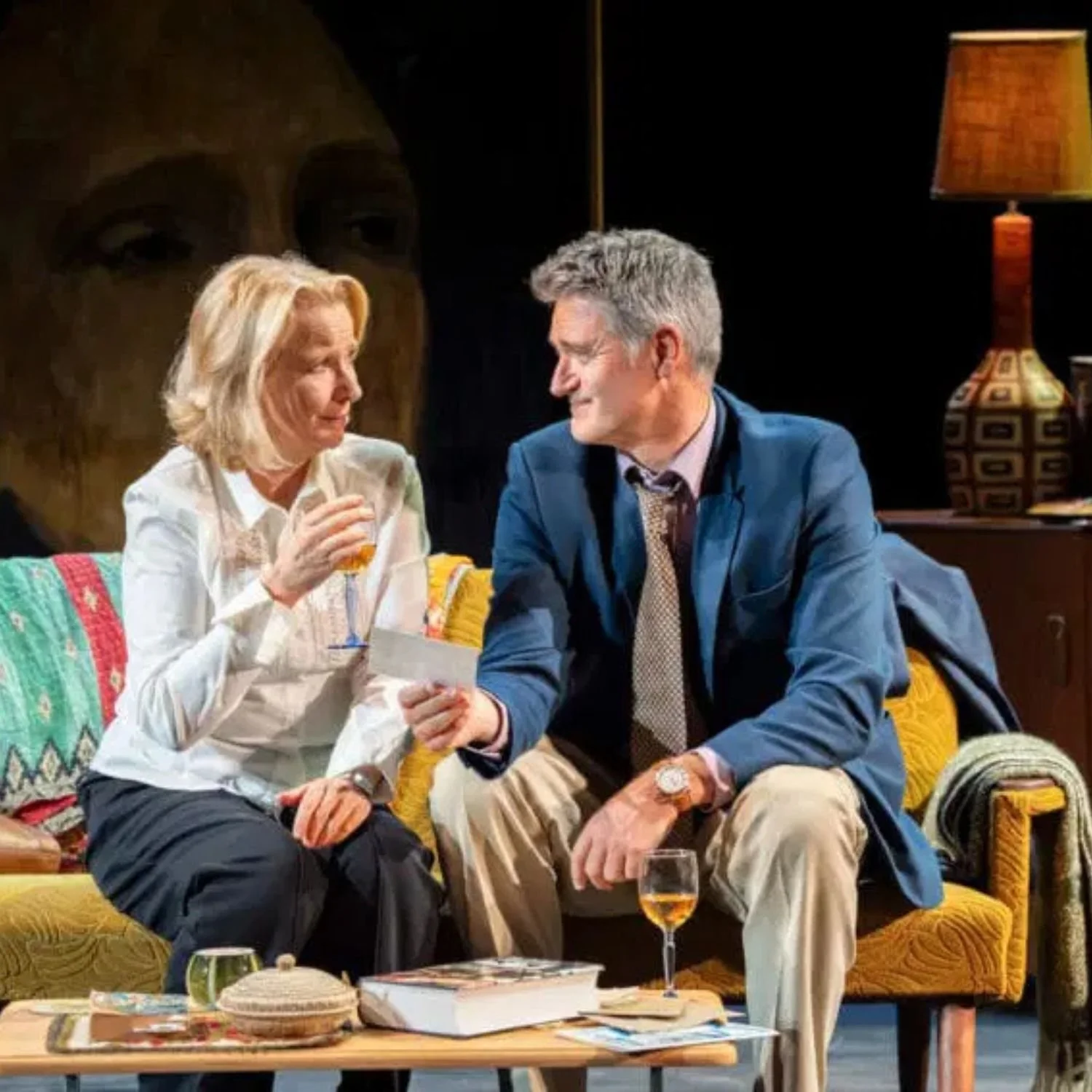
A night at the theatre still delivers something streaming never quite can: focus. No glowing phones, no half-heard dialogue, just two hours of story unfolding properly in front of you.
I have become very fond of an evening at the theatre. It feels calmer than the cinema, more respectful of the story being told. No rustling sweet packets, no glowing screens lighting up the row in front, no running commentary whispered through the second act. Everyone sits down, the lights dim and for a couple of hours the room pays attention. It also needn’t be reserved for a birthday or a special occasion. At the Festival Theatre this week, tickets for Inspector Morse: House of Ghosts start at £23.50, which puts a night of live theatre firmly in the territory of a couple of cocktails or a week’s worth of coffees.
The touring production brings the famously cerebral Oxford detective to the stage, with Tom Chambers stepping into the role made iconic on television by John Thaw. It is no small task, yet Chambers approaches Morse with confidence, keeping the familiar mannerisms while allowing the character to feel at home in a theatrical setting.
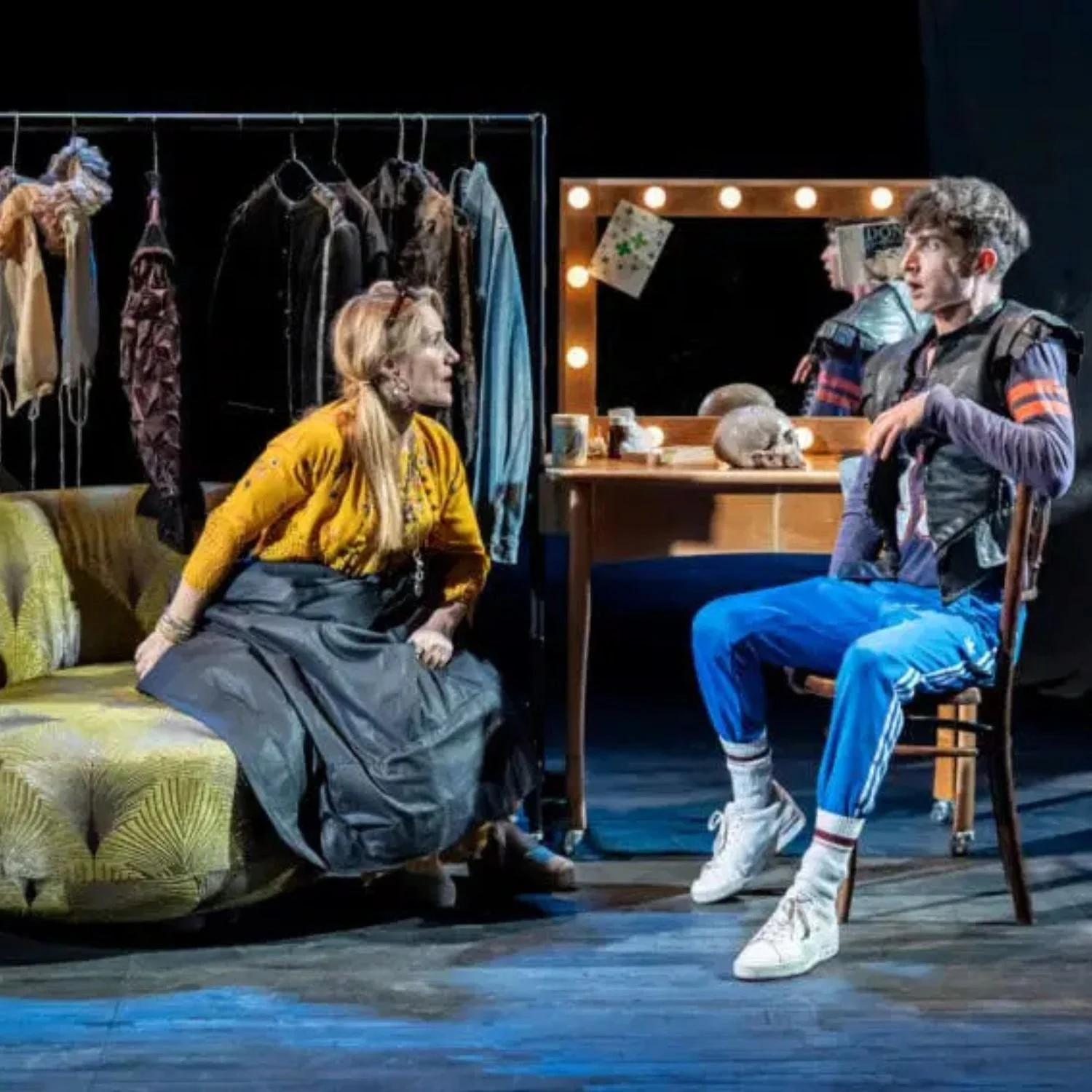
The story begins inside a theatre. During a production of Hamlet, the actress playing Ophelia collapses mid-performance and Morse, who happens to be in the audience, is drawn into the investigation. What follows is a twisting mystery that reaches back into Morse’s own Oxford past, gradually revealing rivalries, relationships and long-buried secrets.
As with many stage adaptations of television favourites, the performances are inevitably larger than life. Theatre demands it. Voices carry further, gestures are broader and reactions land with more emphasis than they would on screen. Yet that heightened style works well within the production’s theatrical world, especially as the cast shift seamlessly between suspects, witnesses and colleagues.
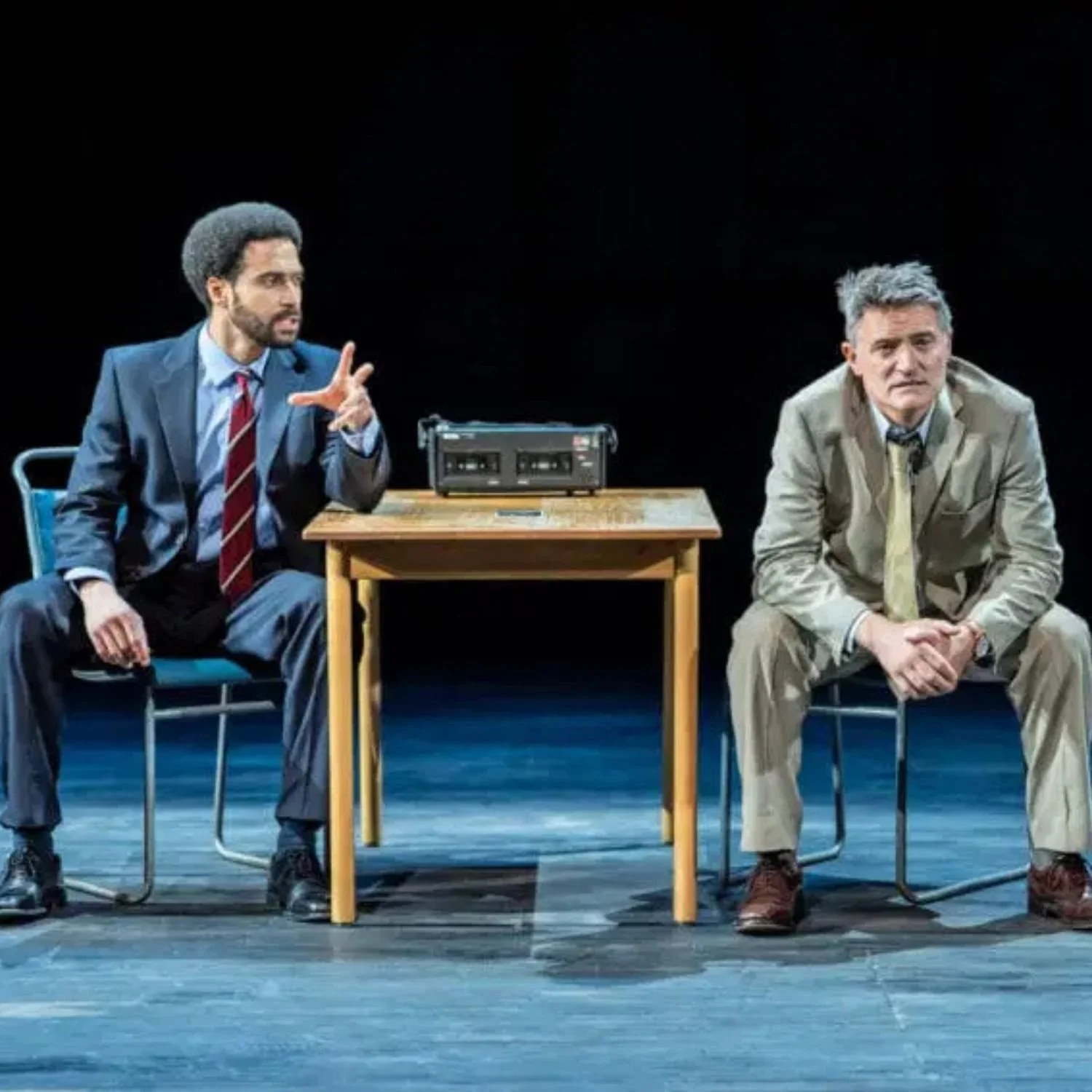
What stood out most, however, was the set design. The stage transforms constantly, moving from theatre to police station, pub, church and office with impressive speed. The cast themselves help reconfigure the scenery in full view of the audience, which adds a clever sense of movement and momentum to the storytelling.
Ultimately it is a classic whodunnit, the sort that encourages the audience to spend the interval comparing theories. That shared guessing game is part of the pleasure.
And perhaps that is the real point of theatre. For a couple of hours everyone in the room is following the same story, together. In a world that rarely stops for anything, that feels quietly luxurious.