
How M&S Took On London Fashion Week — And Won
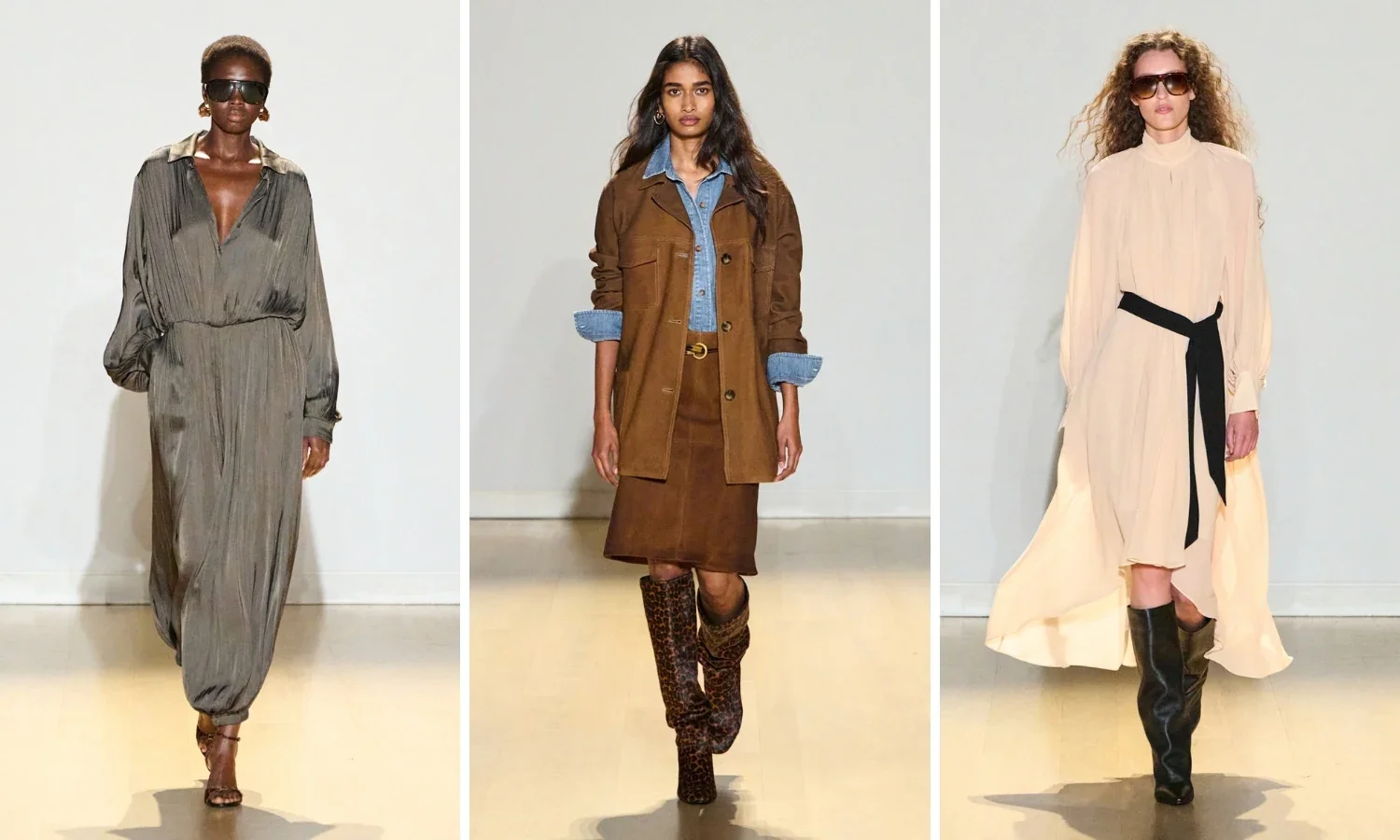
Marks & Spencer made its London Fashion Week debut with a collection inspired by a century of its own fashion archive.
Marks & Spencer celebrated 100 years of fashion with its first London Fashion Week catwalk show, drawing on a century of its own design archive. The interesting part is not simply that M&S made it onto the schedule, but what the collection says about where the high-street stalwart is heading next.
There was a time when Marks & Spencer appearing on the official London Fashion Week schedule would have raised a few eyebrows. On 18th September, however, M&S made its catwalk debut at London’s Design Museum, presenting both womenswear and menswear, with Jodie Kidd, Erin O’Connor and Karen Elson among the models. The collection marked a century since the retailer first began selling clothes in 1926.
More interesting than the casting, or indeed the considerable guest list, was where its designers had been looking for inspiration. Rather than attempting to borrow fashion credibility from elsewhere, they went back to the M&S Archive at the University of Leeds, a collection containing around 72,000 items stretching from 1884 to the present day.
Back To The Archive
The resulting collection takes familiar pieces from M&S history and shifts them for now. Twinsets, tuxedos, white shirts, knitwear, tailoring and vintage floral prints all fed into the show, with the design team studying archive silhouettes, fabrics and details rather than simply reproducing old garments.
It is a clever distinction. Heritage can become costume surprisingly quickly, particularly when a brand has 100 years of it to work with. Here, the references are more useful than reverential. The point is not that a particular jacket once existed in 1974, but that its proportion, fabric or attitude might work again in 2026.
That gives the collection considerably more relevance than a straightforward anniversary exercise. The strongest pieces sit comfortably within what women are wearing now: relaxed tailoring, substantial outerwear, wider denim, neat knitwear and evening pieces that feel polished without becoming overly formal.
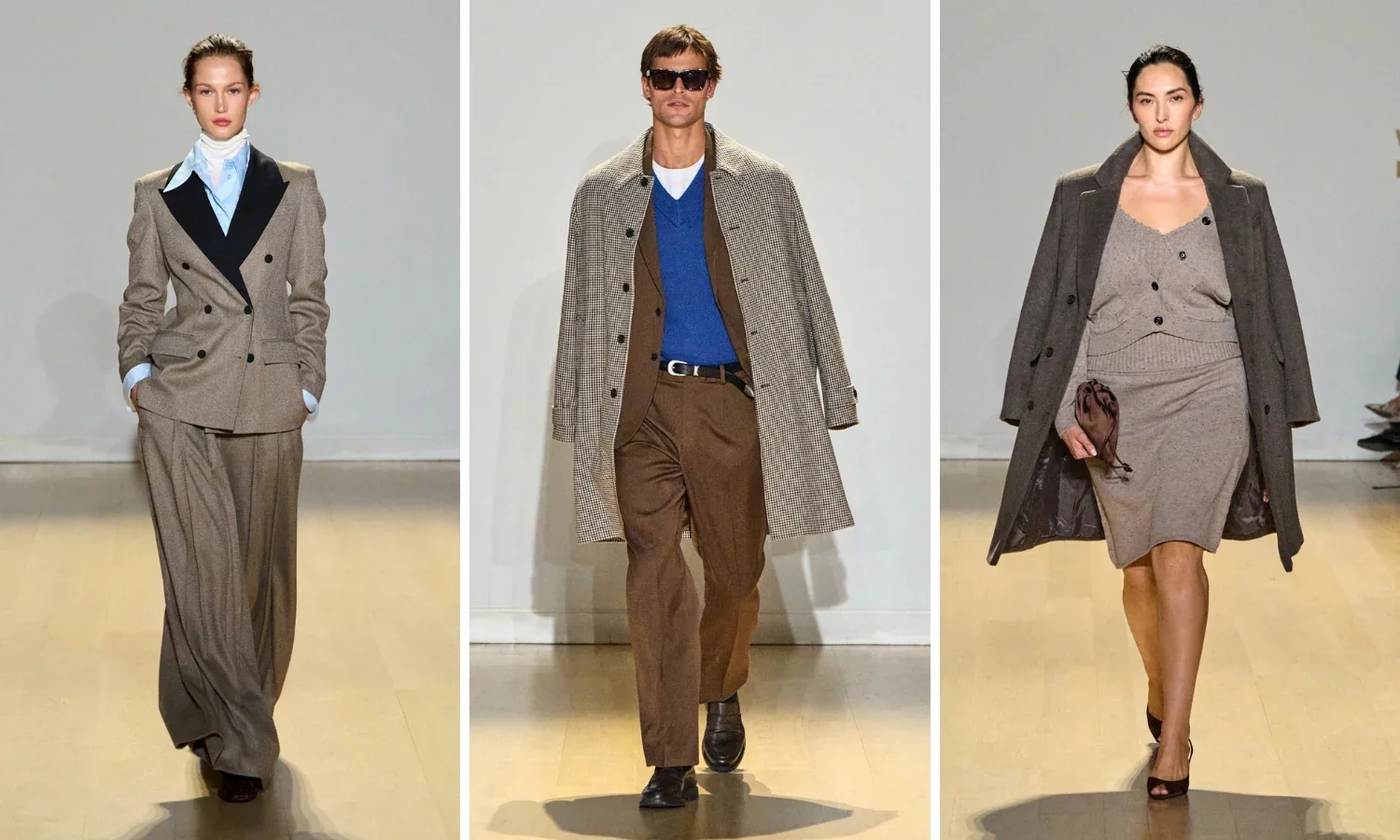
Tailoring took centre stage at M&S’s London Fashion Week debut, with menswear and womenswear shown side by side.
M&S Looks Forward
There is a wider story here too. M&S fashion has been changing for some time, with the retailer putting greater emphasis on design and attracting a younger customer in the process. According to the company, the number of under-35s shopping its fashion offer has increased 16 per cent year on year, while its womenswear achieved its highest recorded score for style perception. Those are company figures, but they help explain why a London Fashion Week appearance no longer feels quite as incongruous as it might once have done.
Crucially, M&S did not use the occasion to pretend it had become a designer label. The collection was created by its own in-house teams and retained the things that matter to its existing customer: wearability, recognisable wardrobe pieces and high-street pricing. Half of the collection was priced below £50.
There was also no traditional Fashion Week wait. The clothes were available to buy immediately after the show online and through selected flagship stores, including Glasgow’s Argyle Street store.
That perhaps says more about the current M&S approach than the catwalk itself. Fashion Week provided the spectacle, but the clothes were still intended for real wardrobes, at recognisably M&S prices.
After 100 years, looking backwards has given the brand a surprisingly good way to move forward.