
Inspiring Woman: Catherine Opie on Identity, Hope and Falling for Scotland
Images by Stuart Armitt
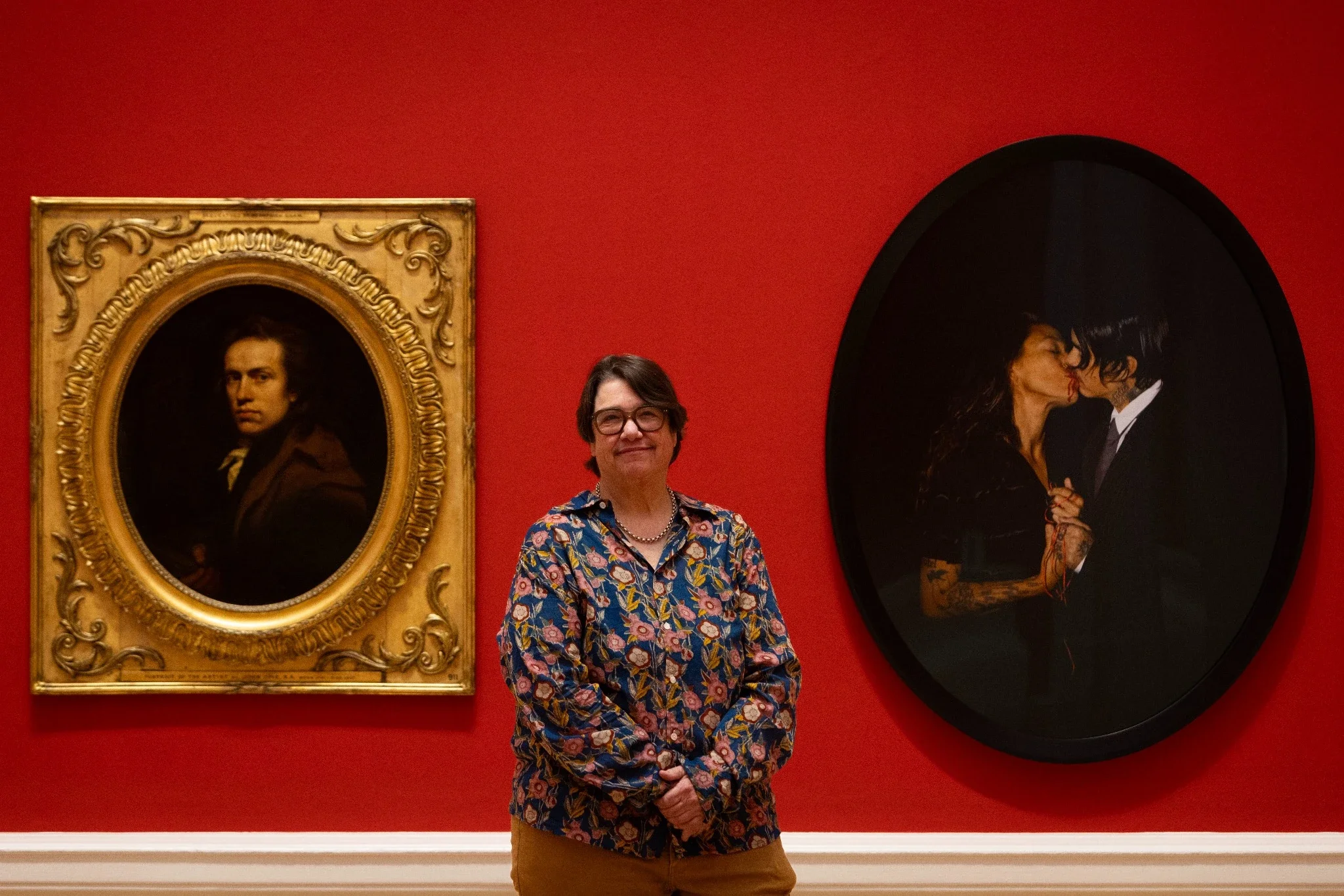
Artist Catherine Opie at her new exhibition To Be Seen
Her work has challenged the way we think about identity for more than 35 years. As Catherine Opie brings her first solo exhibition to Scotland, we discover the woman behind the camera – and why Edinburgh already feels like home.
Before we've even started talking about photography, identity or politics, Catherine Opie and I are laughing about technology.
My trusty voice recorder app on my phone wasn't so trusty, so I ended up borrowing my 16-year-old daughter's instead – proof, if ever it were needed, that teenagers really do know everything. Despite my fluster, the whole drama becomes an unexpectedly warm introduction to one of America's most celebrated photographers, immediately putting us both at ease.
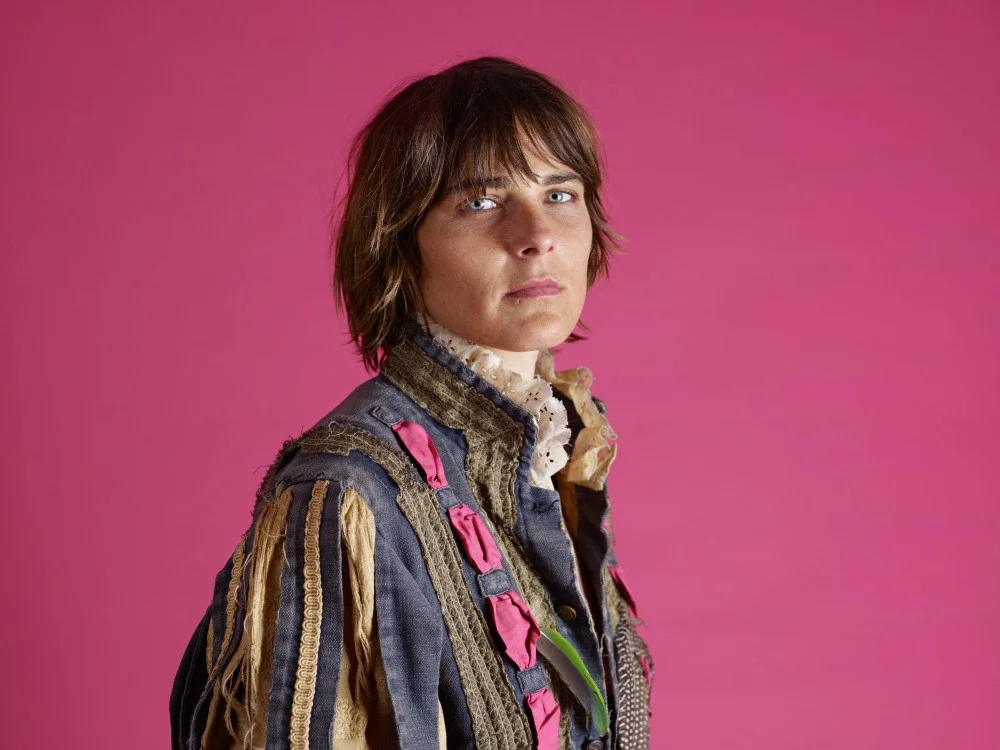
Opie is in Edinburgh for the opening of Catherine Opie: To Be Seen, her first ever solo exhibition in Scotland. Bringing together nearly 80 photographs spanning 35 years of her career, alongside works she has personally selected from Scotland's national collection, the exhibition explores the people, communities and stories that have shaped her life and practice. Together, they invite visitors to think differently about identity, belonging and what it means to truly be seen.
But before we delve into portraiture, politics or photography, we talk about Scotland.
A new convert to our country and she's taking the chance to explore it.
"I've been walking the city and it is beautiful," she says with a smile. "You have fantastic bookstores here. Obviously there's so much going on with the Fringe and I couldn't be happier than being out of Los Angeles in August because it's very hot there."
As our conversation unfolds, she muses over the little details that have captured her imagination. The castle perched above the city. The ease of exploring on foot. Musicians gathered in pubs. But perhaps most surprisingly, it's our trees and green spaces that seem to have struck a chord.
"Your parks are incredible," she says. "I've been really into looking at all your wise old trees. They have their own special energy. It's a walking city and people are out. I love that every little bar you go into has people sitting around with instruments beginning to play."
From someone who’s career has been primarily all about observing it’s lovely to get a glimpse of how it is to see Edinburgh, and Scotland, through her eyes.
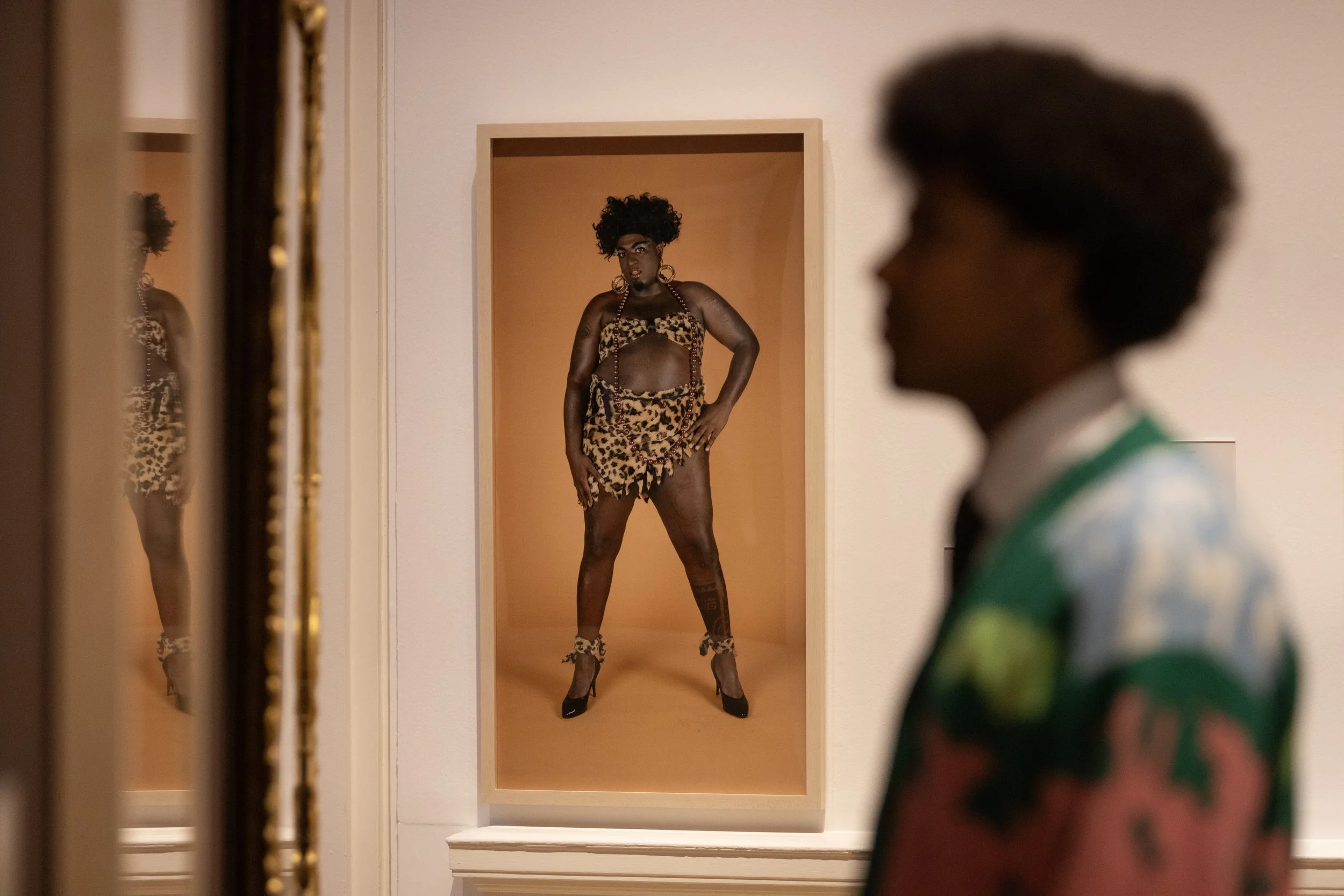
Explore Catherine’s work alongside her choices from National Galleries Scotland’s collection.
The Art of Looking
For Opie, bringing To Be Seen to Edinburgh wasn't simply about finding another venue after its acclaimed run in London. It was about continuing an important conversation.
"It was really important for me that the exhibition went from one idea of a national gallery to another," she explains. "We're living through a really interesting political moment around borders, boundaries and what identity really means. I wanted to stay within that conversation through portraiture and history."
That conversation extends beyond her own photographs.
One of the exhibition's most fascinating aspects is the inclusion of works from Scotland's national collection, personally selected by Opie to sit alongside her own photography. Working with curator Imogen Gibbon, she wasn't looking for obvious pairings but for works that would spark new conversations about identity, history and belonging.
Portraiture, she believes, is far more than simply recording a likeness. It is a radical act of representation — one that has the power to make the invisible visible and give communities a sense of belonging. It's a philosophy that has shaped her work for more than three decades.
Some of her picks were deeply rooted in Scotland itself.
"I love the idea of what bodies wear and what it means for bodies to wear their own history of identity," she says. "The politics of Scotland are woven into tartan through history and I felt it created a wonderful conversation with my own work."
Others made the edit - instinctively.
She smiles as she admits she "just fell in love" with Pablo Picasso's Mère et enfant, selecting it not because of its famous name but because it echoed the emotional mood running through her own photographs. Throughout To Be Seen, the conversations happen not only between artist and audience, but between works of art themselves.
The exhibition, she explains, isn't simply about hanging photographs on gallery walls. It's about encouraging visitors to look differently – not only at her work but at paintings they may have walked past countless times before.
Following the opening, visitors told her they had begun seeing familiar works from the Scottish collection in entirely new ways.
"That is such an important aspect of portraiture," she says. "Why do we still long to look at portraits painted hundreds of years ago, even when we don't know who they are? Because we're fascinated by identity and history."
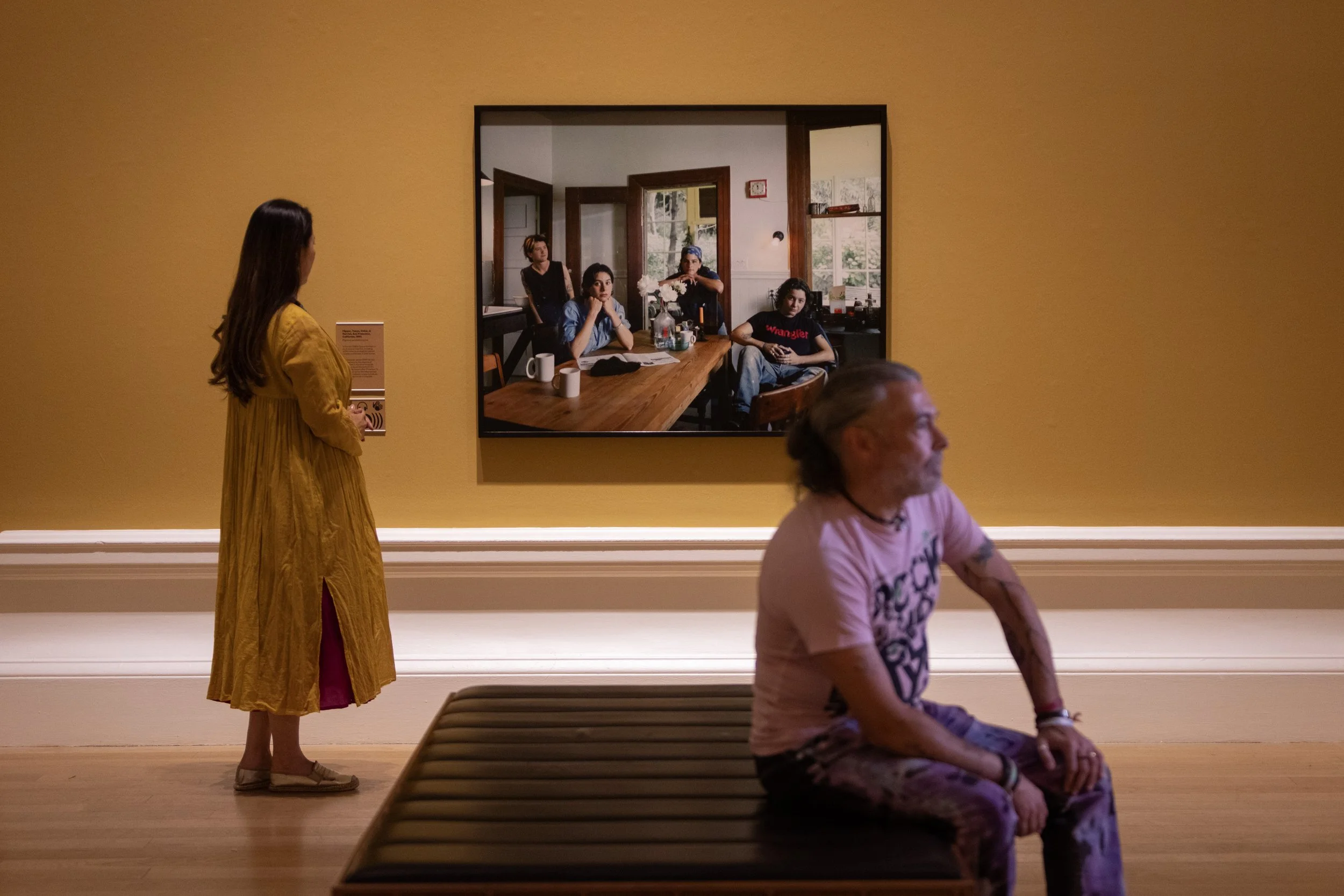
To Be Seen is now open at the Royal Scottish Academy in Edinburgh
Raising Questions
Across 35 years of work, Opie's photography has documented LGBTQ+ communities, political gatherings, surfers, high school footballers, families and intimate self-portraits. Among the earliest works featured in the exhibition is Being and Having (1991), the groundbreaking portrait series that challenged traditional ideas of gender and visibility and helped establish Opie as one of contemporary photography's defining voices.
Yet she insists her photographs have never started with a message.
They begin with questions.
"If I was a writer, I'd probably be a novelist," she laughs.
"I've always had questions in my head. Why do these rules exist? Why do stereotypes exist? Why can't a photograph like this exist? The work becomes a way of asking those questions visually."
She has long believed that the personal and the political cannot be separated.
"I've always worked from a place where I believe the personal is political," she says. "It's a very personal exploration around identity, place and what representation can mean."
It is a philosophy that has shaped her work from the very beginning and one that feels particularly resonant today.
Without dwelling on contemporary politics, Opie reflects on the importance of artists documenting their time.
"One of the reasons I'm a photographer is because documenting our lives creates history," she says. "Portraiture has always been how we understand identity."
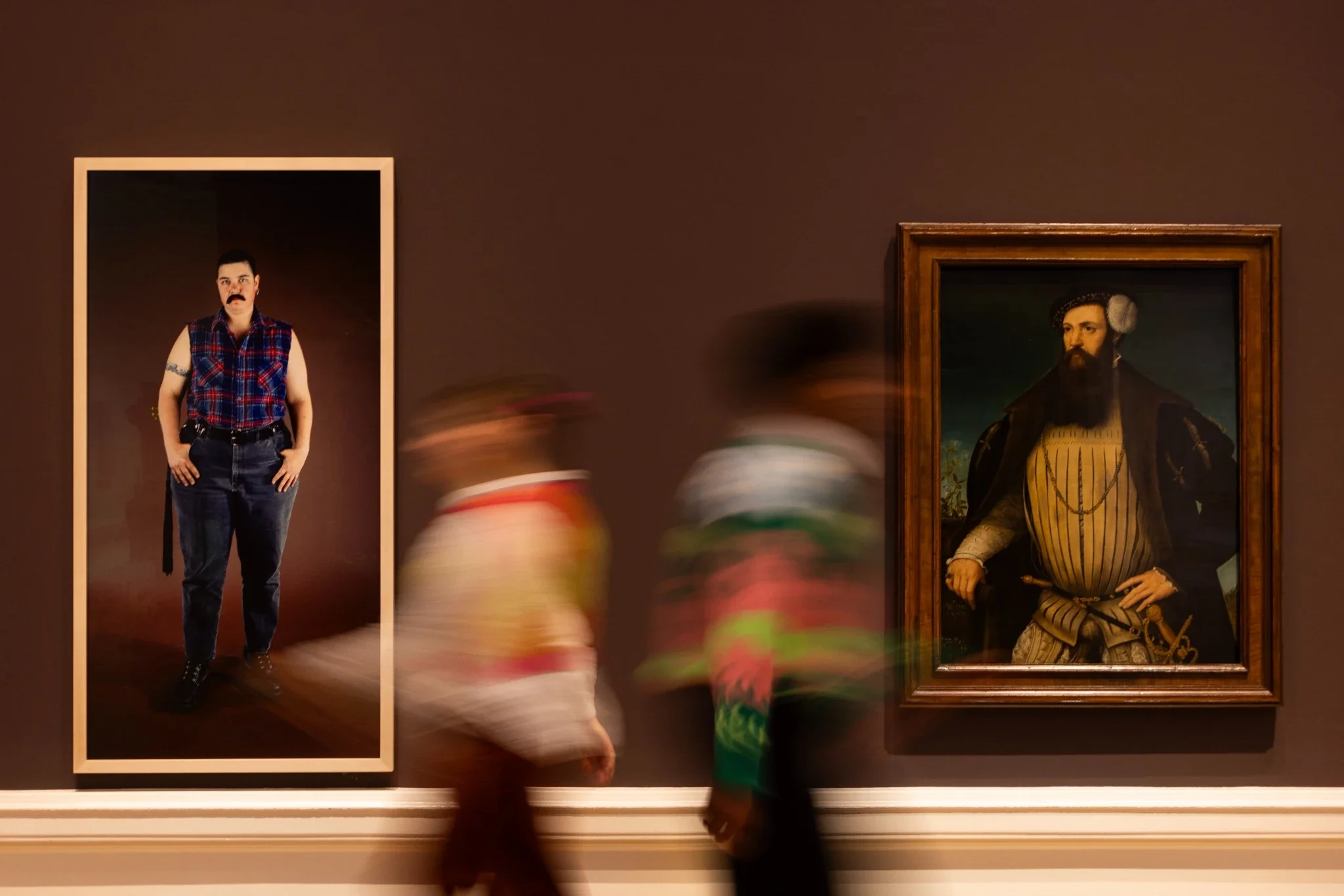
Catherine hopes that visitors to the exhibition will ‘feel held’
Feeling held
When I ask what she hopes visitors take away from the exhibition, her answer surprises me.
It isn't that they leave understanding her work.
It isn't that they agree with her.
It's something far simpler.
"I hope people feel held by the work," she says.
"I hope there's optimism within the exhibition. It's about care. It's about understanding one another and creating equality. There is power within having a voice, but there's also a quietness. There are spaces to pause."
It's a beautiful description of an exhibition that unfolds room by room, inviting visitors to slow down rather than rush through.
For Opie, museums remain places where conversations can happen gently. Places where history, portraiture and lived experience can quietly sit alongside one another.
Ultimately, though, her greatest hope is beautifully simple.
"If you can walk away having a little better understanding about being human, that's what I care about the most."
Already planning her return
Perhaps the biggest surprise comes towards the end of our conversation.
Although this is her first proper visit to Scotland, she's already making plans to return.
After spending time exploring the Highlands with her son, she'd like to come back for several weeks to photograph Scotland's coastline.
"I'm really interested in place and the specificity of identity," she says. "I'd like to make a portrait of your coast because it's so iconic. I want to start using nature as portraiture, thinking about identity through landscape and the places we need to care for."
It's a fitting ambition from someone whose career has been dedicated to asking us to look more carefully.
As our conversation comes to a close, Opie jokes that perhaps Scotland might adopt her.
After an hour spent talking about portraiture, belonging and discovering a country she's only just beginning to know, it doesn't sound quite so far-fetched.
If To Be Seen is Catherine Opie's introduction to Scotland, it feels less like the end of a journey than the beginning of a new conversation. One that, if we're lucky, might one day see her return to photograph Scotland and its landscapes and communities through her own distinctive lens.
Plan Your Visit
Where: Royal Scottish Academy, The Mound, Edinburgh
When: Saturday 8th August – Sunday 1st November 2026
Tickets: £3.50–£14. Under-18s and Friends of the National Galleries of Scotland go free.
Don't miss: Opie's striking portraits displayed alongside 13 works from Scotland's national collection, creating unexpected conversations across centuries of portraiture