
The Hood Guide to Vintage & Charity Shop Shopping
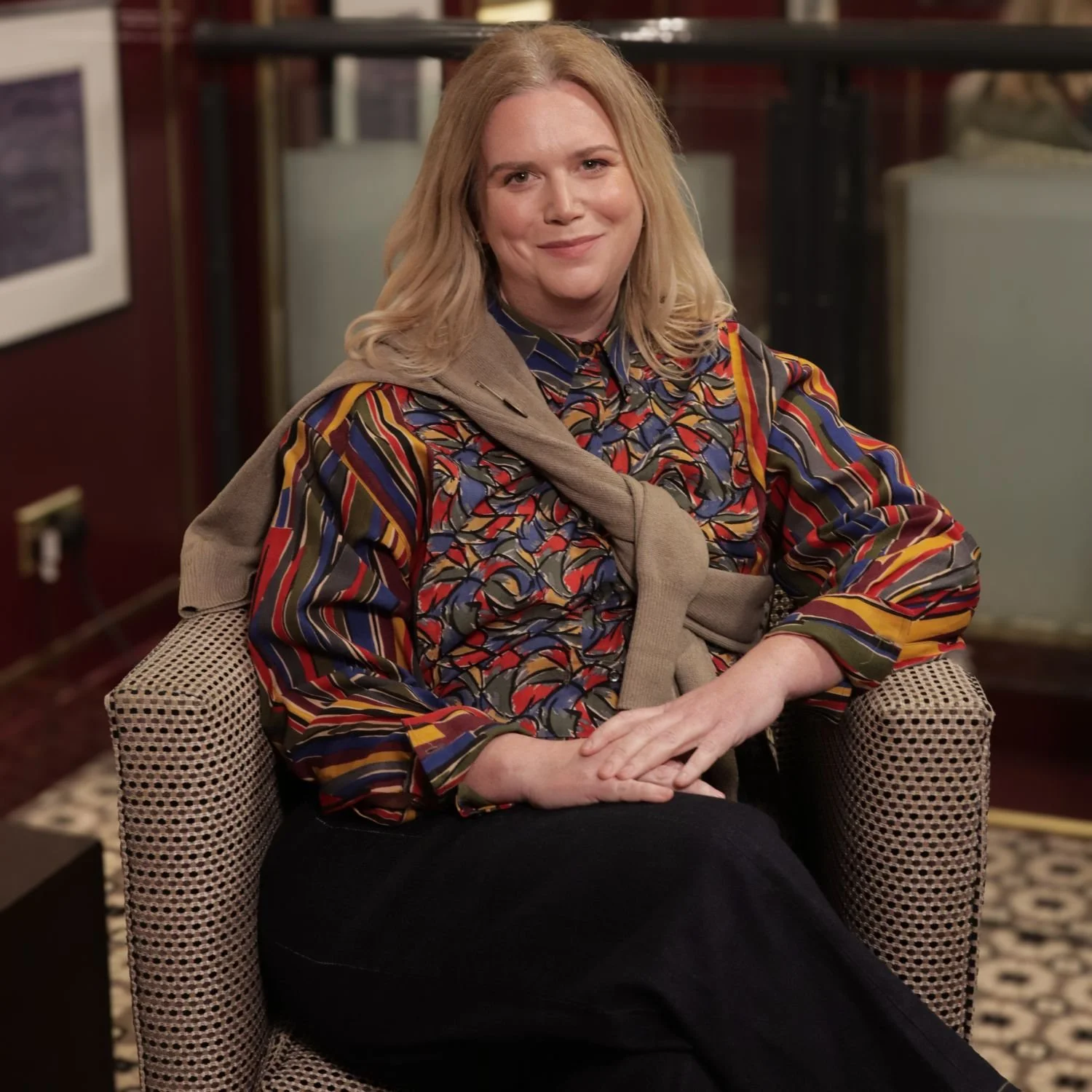
Emily London appears on The Hood Podcast
From working at Vogue and Net-A-Porter to becoming one of the UK’s most stylish champions of vintage and second-hand fashion, Emily London has built a career around great clothes and the stories they tell.
Our recent podcast episode with Emily clearly struck a chord with Hood readers, with so many of you getting in touch afterwards inspired to delve deeper into the world of vintage and charity shopping. From questions about how to spot quality pieces to navigating rails without feeling overwhelmed, one thing became very clear — you wanted more of Emily’s tips, tricks and fashion wisdom.
So, we’ve pulled together all of Emily’s best advice in one place.
Emily’s love affair with second-hand shopping actually began long before fashion magazines and luxury e-commerce. Growing up, she spent weekends “Nicky Nacky nooing” with her grandmother — wandering through charity shops and antique stores looking for hidden treasures.
“My granny loved antiques,” Emily says. “She’d show me little bits and pieces that caught her eye and I absolutely loved it.”
Those early treasure hunts shaped the way she still shops today — led by curiosity, texture, colour and instinct rather than trends.
From rummaging through, Edinburgh vintage emporium, Armstrongs as a student to discovering designer treasures in charity shops across the UK, Emily has turned a lifelong love of second-hand style into a career. Here, she shares her best advice for navigating the rails, spotting hidden gems and building a wardrobe with personality, confidence and individuality.
“There’s no such thing as too much,” Emily laughs. “It’s always been about texture and colour and sparkle.”Forget The Label — Shop With Your Eye
One of Emily’s biggest pieces of advice? Ignore sizing.
Vintage and charity shop sizing can vary wildly between decades and brands, so don’t get hung up on the number on the tag. She says: “Forget about those ridiculous sizing cubes they insist on putting on every hanger,” Emily laughs. “There is no uniform sizing equivalent that all brands adhere to.”
Instead, she says to focus on instinct rather than labels: “If you like the look of something, give it a go. See how it feels on your body. It doesn’t matter what is on the sizing label.”
So rather than focusing on size, train your eye to look for:
Interesting collars
Great tailoring
Beautiful fabrics
Unique silhouettes
Quality details like buttons, stitching and lining
Emily says: “The more you do it, the more you develop your own Rolodex of what you like and what you don’t like.”
Head Straight For Menswear
Emily is passionate about one often-overlooked section of the charity shop: menswear: “It drives me up the wall when people have blinkers to the menswear section,” she says. “No — go there. Go there.”
She says by heading into menswear sections you’ll find oversized tailoring, crisp white shirts, relaxed knitwear and “quiet luxury” staples - all for a fraction of the high street price.
“People are spending hundreds trying to recreate that oversized look,” she says. “Actually, you can get all of that stuff in a charity shop for probably a third of the price. I’ve found Turnbull & Asser shirts for £1.
Emily’s favourite menswear finds include:
White cotton shirts
Oversized blazers
Pringle cashmere jumpers
Dinner jackets
Vintage knitwear
Emily says: “Honestly, the styling options are limitless. My style tip? You can pair oversized menswear with barrel-leg jeans, cigarette trousers, anything, and just add belts to create shape. Brooches or scarves will add personality.
Learn To Love The Hunt
For some shoppers, charity shops can feel overwhelming — rails packed tight, colours clashing, no obvious order. But Emily believes that’s exactly where the joy lies.
“It’s all about following your curiosity,” she explains.
Rather than searching for a specific item, let yourself browse slowly. Notice textures, colours and details that catch your eye: “I’d be looking for an interesting collar, an interesting silhouette, a great texture. Sometimes it’s not even for me — it’s just something I like.”
Emily says: “The trick is to approach charity shopping less like traditional retail and more like treasure hunting.”

Scotland Is A Vintage Goldmine
Emily’s connection to Edinburgh goes back to her student days, when trips to Armstrongs helped convince her to study there.
“I went to the open day and didn’t go to see anything apart from Armstrongs and loads of pubs,” she laughs. “I thought, if I can be close to this amazing emporium, I’m A-okay studying here.”
Today, she still rates Scotland as one of the best places in the UK for second-hand shopping.
Stockbridge
This well-to-do area in Edinburgh is dream for vintage lovers thanks to its mix of charity shops, designer donations and independent vintage boutiques.
Emily shops here for:
Scottish cashmere
Antique lace
Silk scarves
Vintage bags
Morningside
In the Scottish capital’s southside, Morningside is perfect for higher-end finds and designer pieces.
In her forays into Morningside charity shops over the years Emily has discovered:
1970s YSL heels
Designer silk scarves
Vintage jewellery
Silver brooches
“Morningside is where I’m looking for quality and high-value pieces,” explains Emily.
Dundee
A hidden gem in Emily’s vintage map of Scotland is Dundee — a city she visited on a whim and ended up completely falling for.
“Last year I decided to jump on the train and go up to Dundee,” she says. “The art galleries blew me away.”
But it wasn’t just the culture scene that impressed her.
“Again, the charity shops were offering beautiful things. I found a beautiful Krizia scarf for just £2 in a bargain bin on the high street. When you feel comfortable shopping in these sorts of environments, you can always find beautiful things,” she says. “You don’t need to be in the fanciest locale.”
Emily says: “That’s the magic of charity shopping. Whether you’re in Edinburgh, Glasgow or Dundee, incredible finds can turn up anywhere — all it takes is a curious eye and the confidence to go looking.”
Colour Changes Everything
When confidence dips, many women retreat into black clothing — something Emily says she did herself.: “When I was most unhappy with how I was feeling about myself, I really started going towards darker colours.”
But she now encourages women to experiment with colour again, particularly through second hand shopping where the financial commitment is smaller: “Try the red silk blouse. Try the Kelly green. You don’t need more rules.”
Her biggest style philosophy?
“If you feel good in it, wear it.”

Accessories Are Transformational
If clothing feels intimidating, start with accessories. Emily uses scarves, belts, brooches, bags and statement flats to completely shift the mood of an outfit. “Accessories aren’t size dependent,” she points out.
Belts, especially, can help reconnect women to their shape and create confidence — particularly after body changes or motherhood.
“A lot of women feel they don’t have a waist,” she says. “You absolutely do.”
Don’t Dress To Hide Yourself
One of the most powerful messages from Emily’s conversation is about dressing for joy rather than camouflage.
For years, she says many women are taught to hide themselves through clothes. Hide their tummy, cover their arms and dress to flatter.
“I think we all have that monologue in our head,” she says. “‘I can’t show my tummy,’ or ‘I’ve got funny shoulders.’”
Now, she believes fashion should feel expressive, not restrictive. Her turning point came after buying a dramatic oversized vintage dress.
“I put it on and thought, ‘Oh God, you can’t see my shape at all.’ But then I started styling it — belting it, rolling the sleeves — and suddenly it came to life.”
The result?
“I really feel like me in it.”
Vintage Doesn’t Have To Look Costume-y
One of Emily’s signatures is mixing vintage with modern pieces.
A vintage blouse might sit alongside a pair of high street trousers, new denim, modern loafers or a simple white tee. “It’s about bringing vintage into a contemporary wardrobe,” she explains.
This stops second-hand style from feeling overly themed or theatrical.
Emily’s Best Vintage Purchase? Buy The Piece That Makes You Stand Taller
Emily’s most treasured charity shop find is an extraordinary Italian wool coat by designer Romeo Gigli — discovered in a charity shop in Golders Green.
It cost £595, making it the most expensive item she has ever bought second hand.
But the moment she put it on, she knew.
“It almost felt like electricity running through me,” she says. “The weight of it just made me stand taller.”
And perhaps that’s the real secret to vintage shopping. The best pieces aren’t necessarily the cheapest, trendiest or rarest. They’re the ones that make you feel unmistakably like yourself.