How Damp Drinking is Shaping How Scotland Sips this Summer
Scotland’s spring drinking culture is going softer, smarter and more intentional.
Less about cutting out, more about choosing well. Damp drinking is shaping how Scotland sips this season, with women leading the move towards balance, flavour and better mornings.
Spring has a way of sharpening judgement. Longer days, a little more light, and a growing appetite for feeling better rather than doing more. Many people now come out of Dry January not rushing back to old habits, but editing them. The result is damp drinking. Not abstinence, not excess. Just a considered middle ground.
In 2026, around 17.5 million people in the UK said they planned to take part in Dry January. What followed was not a wholesale return to heavy drinking, but a sustained shift in behaviour. Fewer drinks. Better choices. Less patience for anything that compromises the next day.
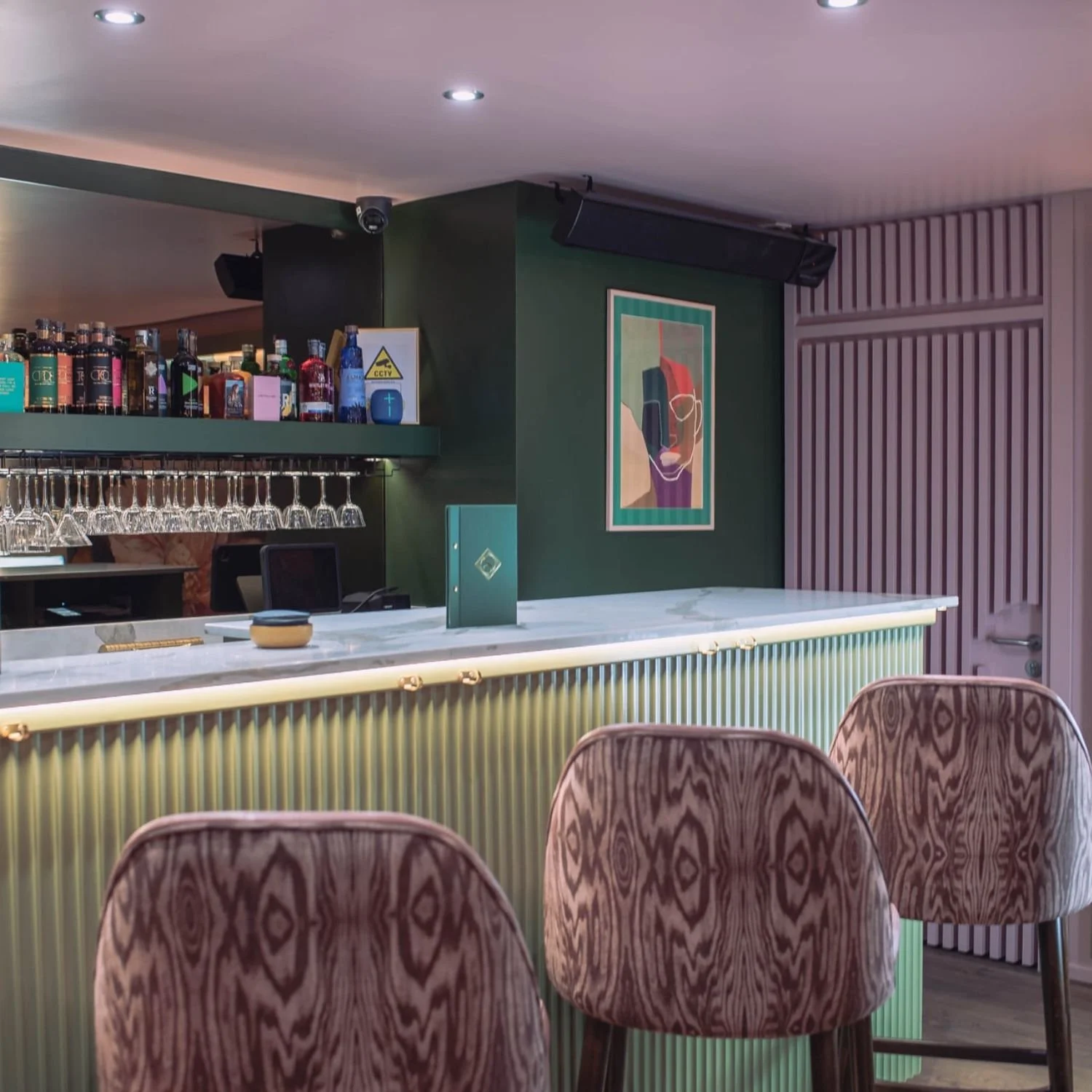
SOBR Bar in Aberdeen
That thinking is increasingly shaping how people socialise. In Aberdeen, SOBR Bar has become a clear expression of this shift. Its founder, Kate Kenyon, describes it as a place where people can go out, drink socially, and still feel good afterwards.
“You can come to SOBR, have multiple drinks, and still feel positive,” she says. “It’s an opportunity for people to align their health goals with going out for a great night and still being able to fully function the next day.”
Women are driving much of this change. The benefits are practical rather than performative. Better sleep. Clearer focus. More stable energy. Skin that behaves. Damp drinking does not feel restrictive. It feels like opting out of the side effects while keeping the rituals intact. A good glass. A proper pour. An evening that still works the following morning.
Spring suits this way of drinking. Lighter flavours. Brighter profiles. Refreshment rather than weight. Scotland, with its long tradition of botanicals, fruit and small-batch craft, is well placed to do this properly.
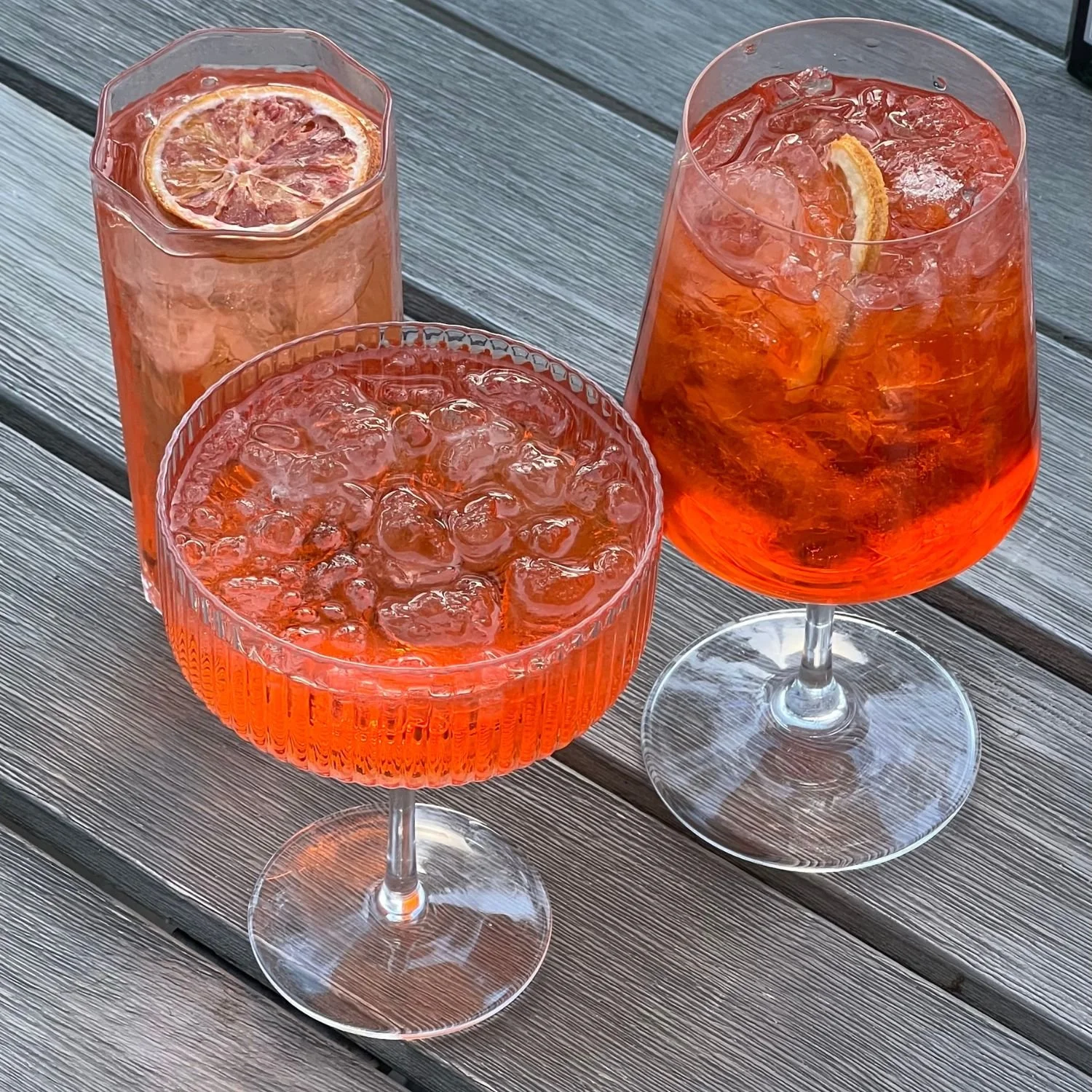
Scottish Producers are creating drinks that lean into the Damp Drinking trend.
Scottish producers are responding with drinks that feel intentional rather than apologetic:
Feragaia offers a distilled non-alcoholic spirit built around Scottish land and sea botanicals. Savoury, complex and genuinely adult, it is designed to be sipped slowly, not masked. Zero alcohol and zero sugar, but plenty of depth.
Rapscallion Soda, made in Glasgow, focuses on dry, real-fruit flavours with no artificial sweeteners. Blueberry and Dry Lime feel particularly right as the weather lifts.
Summerhouse Drinks in Fraserburgh produces handmade lemonades and craft sodas using Scottish fruit. Rhubarb Lemonade delivers sharpness without heaviness.
Bon Accord, founded in Aberdeen in 1903, has quietly modernised its range with lower-sugar recipes sweetened with fruit juice or coconut nectar.
Argle Bargle’s non-alcoholic apple press, made from local Fife apples, is semi-dry, lightly oaked and celebratory.
Leftfield, based in Livingston, produces low-sugar kombucha with live cultures and proper bite.
Another Scottish brand sitting comfortably within the damp drinking shift is Talonmore. Produced in Scotland by independent spirits house A.D. Rattray, Talonmore was developed with a clear brief: to offer a non-alcoholic spirit that behaves like a proper drink, not a sweet substitute.
Built around distilled botanicals including juniper, coriander seed, angelica root and citrus peel, it has structure, bitterness and length. It works in a simple G and T format, stands up in restrained cocktails, and crucially, holds its shape as the ice melts.
The appeal is its restraint. Dry, herbal and savoury leaning, Talonmore suits early evenings, midweek pours and social occasions where you want to stay present the next day. It feels adult, deliberate and unfussy.
Back at SOBR, the cultural shift Kate is seeing runs deeper than product choice. “I think SOBR will mean so much to people who can’t or don’t want to have alcohol and still want to be like other people, to go out and have a drink, but can’t for whatever reason,” she says. “It’s also a safe space for people who maybe don’t realise they are addicted to alcohol.”
She has also noticed a generational change. Younger customers, she says, are thinking more carefully about their health and stepping away from binge drinking. “More needs to happen to make it socially acceptable to say you don’t drink,” Kate adds. “It can still carry a lot of stigma.”
SOBR’s health-led cocktails are designed with function in mind. “They can boost you up, calm you down or detox you,” she explains. “You’ll certainly wake up the next morning feeling a lot better than you would have if you’d gone out drinking.”
The space has also become a daytime destination. Parents on the school run and new mothers regularly stop in for hot drinks, alcohol-free cocktails and snacks, using it as a place to catch up without the pressure of alcohol.
Going damp is not about deprivation. It is about discernment. Scotland’s producers, alongside brands like Talonmore and spaces like SOBR, are proving that mindful drinking can still feel indulgent, social and seasonal. This spring, the smartest sip is simply the one you actually want.