
The New Face of Aesthetics: Dr Hala on Skin Health, Subtle Tweaks and Why Natural Beauty is Back
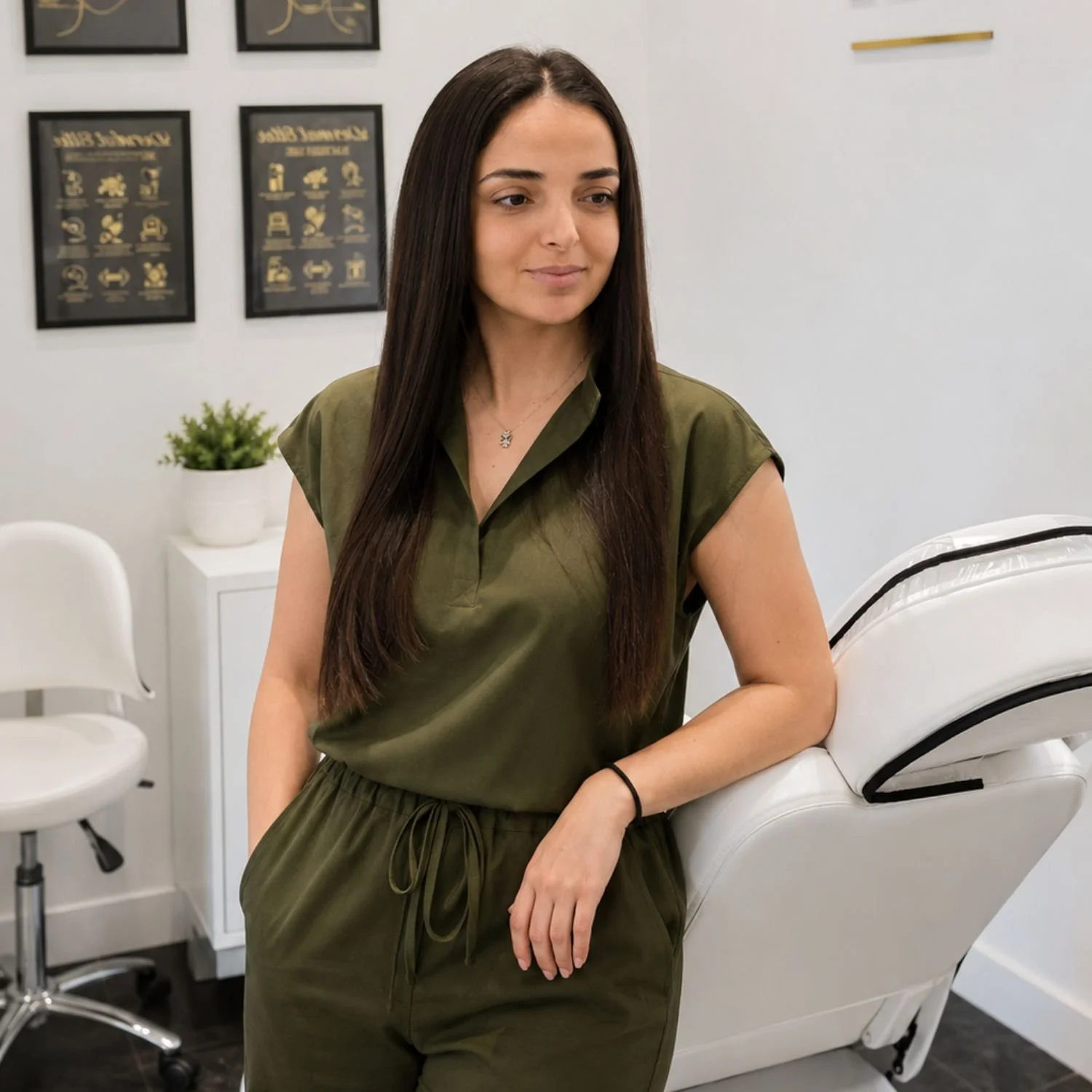
There was a time when aesthetic treatments were all about dramatic transformation — fuller lips, sharper cheekbones and the pursuit of the perfectly filtered “Instagram face.” But today, a quieter, more refined approach is taking over. Skin quality, regeneration and subtle enhancement have become the focus, with clients increasingly looking to refresh rather than reinvent.
In Edinburgh, Dr Hala Aesthetics has built a reputation for exactly that kind of understated approach. With a medical background in ENT and head and neck surgery, Dr Hala combines clinical expertise with an eye for facial harmony, championing treatments that enhance confidence while still looking entirely natural.
We spoke to Dr Hala about the shift away from overfilled faces, the pressures social media has created around beauty, and why the future of aesthetics is all about healthy skin and ageing well.
You originally trained in medicine before moving into aesthetics. What drew you into this field?
“I’ve always enjoyed the combination of medicine, artistry and communication. Coming from a surgical background in ENT and head and neck surgery, I developed a strong understanding of facial anatomy and precision-based procedures. Aesthetics felt like a natural extension of that skillset, but with the added ability to help people feel more confident in themselves in a very positive and preventative way.
“I was especially drawn to treatments that refresh and restore rather than completely change someone’s appearance.”
Was there a moment you realised aesthetics was where you wanted to focus your career?
“I realised it gradually through patient interactions. I found that the treatments I enjoyed most were the ones where subtle changes could genuinely improve how someone felt about themselves.
“Seeing patients regain confidence, look more rested, or simply feel happier in their skin made a huge impact on me. That emotional side of aesthetics is what really made me commit to the field.”
What do you think your medical background brings to your clinic that clients value most?
“Safety, honesty and clinical judgement. Patients value knowing they’re being treated by someone with a deep understanding of anatomy, complications management and overall patient care.
“My medical training also means I take a more holistic approach. I’m not just looking at one feature in isolation, but at facial harmony, skin health and long-term outcomes. I offer advice to my patients as I would to my sister or my mum — and I say no a lot to many treatments that I don't see as suitable.”
The aesthetics industry has changed enormously in recent years. What shifts have you noticed most?
“There’s been a huge shift towards regeneration and skin quality rather than simply adding volume. Patients are much more educated now and increasingly interested in treatments that improve the skin itself, stimulate collagen and age naturally over time.
“I’ve also noticed a growing appreciation for subtle, undetectable work rather than dramatic transformation.”
Your work focuses heavily on natural-looking results. What does ‘natural’ mean to you in aesthetics?
“For me, natural means looking refreshed, healthy and like the best version of yourself — not looking ‘done’.
“A good treatment shouldn’t dominate someone’s face or distract from their features. The goal is balance, softness and maintaining movement and individuality.”
We’re seeing a move away from the heavily filled ‘Instagram face’ look. Do you think beauty trends are becoming softer again?
“Definitely. People are moving away from exaggerated trends and becoming more interested in timeless beauty and healthy skin.
“There’s more awareness now around facial overfilling and the importance of preserving natural facial structure. Clients increasingly want to look fresher rather than obviously altered.”
How do you approach consultations with clients who may arrive wanting dramatic change?
“I focus on education and honest conversation. Often, patients don’t necessarily need dramatic change — they just want to feel more confident or refreshed.
“I explain what would realistically suit their features and what will age well long term. Building trust is more important to me than agreeing to every request, and it's very important to manage expectations before proceeding with any treatment.”
Do you think a good aesthetics practitioner sometimes has to say no?
“Absolutely. Saying no is part of ethical practice. If I feel a treatment is unsuitable, unnecessary, or likely to create an unnatural result, I will always be honest with the patient.
“Protecting patient wellbeing and maintaining natural outcomes should always come before trends or sales.”
What’s the biggest misconception people still have about aesthetic treatments?
“That aesthetics is only about vanity or dramatic change — or that they will look fake after having treatments.
“In reality, many patients simply want to look less tired, improve skin quality, or regain confidence after life changes, stress or ageing. Modern aesthetics is increasingly subtle, preventative and wellbeing-focused.”
How important is skin health now compared with injectables alone?
“Skin health is fundamental. Beautiful skin often makes more difference than large amounts of filler ever could.
“I think the future of aesthetics is combination treatments — improving skin quality, collagen stimulation, hydration and facial structure together in a balanced way.”
How do you personally view ageing well?
“I don’t believe ageing should be feared. Ageing well is about looking healthy, confident and expressive at every stage of life.
“Aesthetics should support that process rather than erase it. We don't need to reverse ageing — we just want to look fantastic for each stage of our lives.”
What pressures do you think social media has created around appearance and perfection?
“Social media has definitely distorted beauty standards at times. Filters, editing and trends can create unrealistic expectations, especially for younger people.
“I think practitioners have a responsibility to promote realistic, healthy outcomes and remind patients that individuality is far more beautiful than perfection.”
Which treatments are clients most interested in right now?
“In my clinic, I’ve noticed a huge interest in regenerative treatments and skin-focused procedures, like polynucleotides, microneedling, collagen stimulation, skin boosters and subtle facial balancing.
“Patients increasingly want treatments that improve skin quality and support long-term ageing rather than simply adding volume.”
What trends do you think are fading away?
“Overfilled lips, excessive contouring and the very exaggerated ‘Instagram face’ aesthetic are definitely becoming less desirable.
“People are leaning towards softer, more refined and more personalised results, which is great.”
What treatments deserve more attention for delivering subtle but effective results?
“Regenerative treatments deserve much more attention. Treatments like polynucleotides and collagen-stimulating procedures like microneedling and biostimulators can create beautiful improvements in skin quality and overall freshness without making someone look dramatically different.
“We also shouldn’t forget anti-wrinkle treatments, which can work both preventatively and for softening lines long term.”
What do you enjoy most about your work?
“I enjoy the human side of it most — building trust with patients and seeing the confidence subtle treatments can restore.
“It makes my day when I hear comments like, ‘I don’t look tired anymore’ or ‘I feel like me a couple years ago.’ Every single patient of mine is my friend. We look forward to the gossip at each appointment.”
Why did you choose Edinburgh as the home for your clinic?
“Edinburgh has a really strong appreciation for quality, professionalism and understated aesthetics, which aligns closely with my approach.
“It’s a beautiful city with a sophisticated but natural attitude towards beauty and self-care.”
Finally, what’s your own definition of beauty today?
“To me, beauty is individuality, confidence and balance.
“The most beautiful faces are expressive, healthy and authentic — not perfect, and not fake or overdone.”