International Film Festival Glasgow 2026: In Good Company
By James McLaren
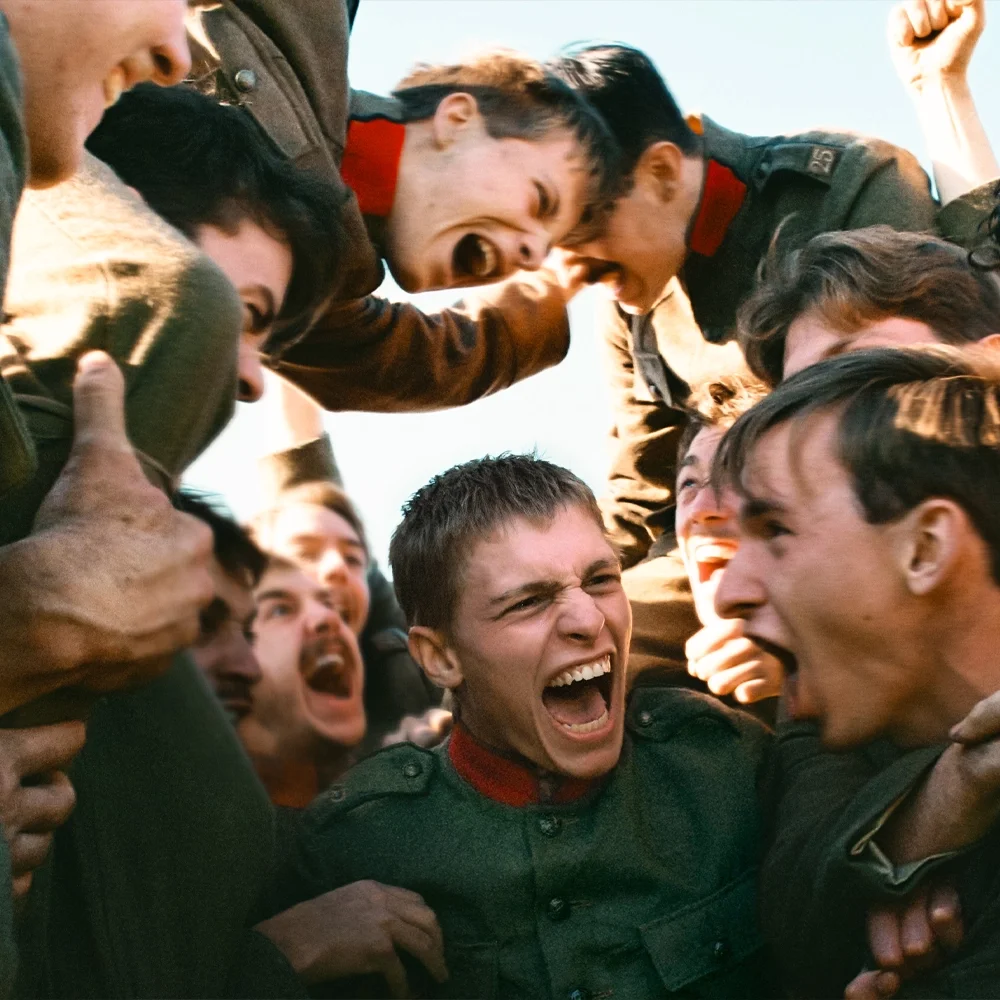
The Opening Film of International Film Festival Glasgow, Coward (2026) Directed by Lukas Dhont
Manhood takes a visit inside International Film Festival Glasgow, where the films are independent but the connections are anything but.
There is something rather nice about walking into a room full of people and feeling, almost immediately, that you're among friends. It’s something International Film Festival Glasgow (IFFG) has managed to do year after year, and 2026 was no exception. Throughout the week, the festival felt less like a formal industry gathering and more like an extended family reunion – the good kind, where conversations flow, familiar faces keep appearing and no one is in a rush to leave.
Now in its 13th year, IFFG has grown into one of Scotland's leading independent film events, bringing international cinema, emerging filmmakers and local audiences together across Glasgow. Led by Festival Director Martin Petrov, with Matthew Floyd as Festival Programme Director, it champions independent storytelling while creating opportunities for filmmakers and audiences to connect.
And perhaps fittingly, among the films that stood out this year was a recurring idea: finding your people. Not necessarily the family we're born into, but the communities we discover, the friendships that surprise us and the people who make us feel a little less alone.
The Films That Make Us Feel Less Alone
The five films selected here approach that idea from very different directions. From real-life activism and the strength of collective action to unexpected friendships, creative reinvention and the bonds that endure, each offers its own take on what it means to find a place – and the people – where you belong.
Being Heumann – Siân Heder
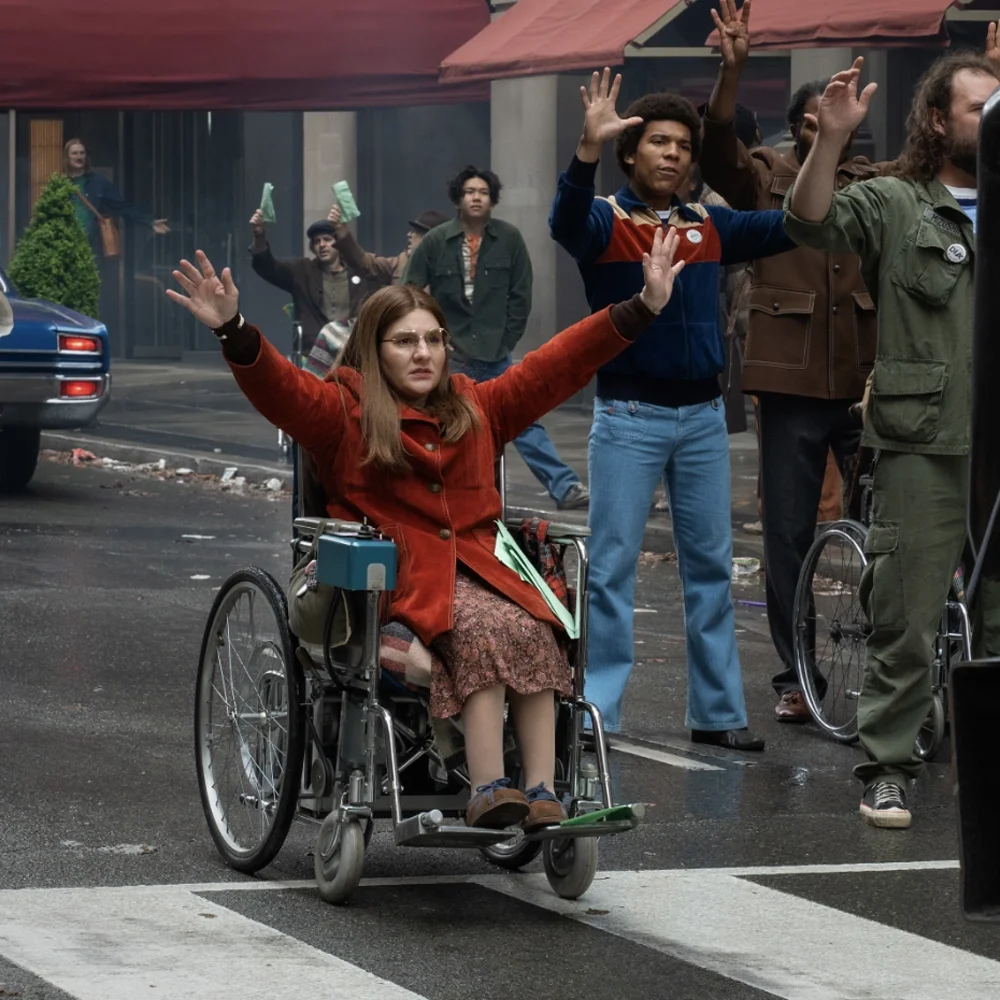
Being Heumann (2026) Directed by Sian Heder
Perhaps the most direct expression of the theme comes from Being Heumann, Siân Heder's drama based on the life of disability rights activist Judy Heumann. Set around the landmark 1977 occupation of San Francisco's Federal Building, it follows a coalition of disabled activists who unite in a fight for accessibility and equal rights. What makes the story particularly compelling is the strength found in collective action. These are people who have spent much of their lives being overlooked, now discovering what can happen when they stand together. It's a reminder that finding your people can be about finding your voice, too.
Jim Queen – Marco Nguyen and Nicolas Athané
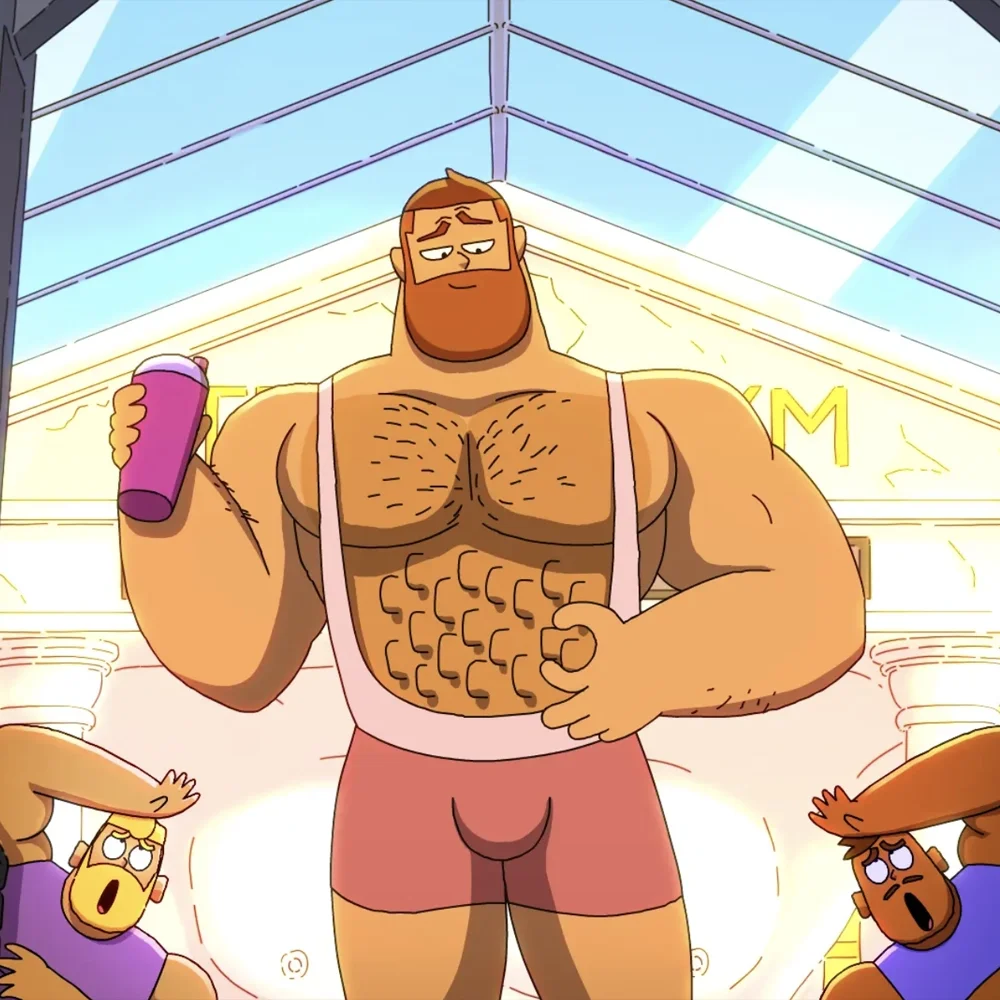
Jim Queen (2026) Co-Directed by Marco Nguyen and Nicolas Athané
A little less conventional, but no less relevant, Jim Queen takes us into the heart of Paris's gay scene. When a mysterious virus begins turning gay men straight, Jim, an influencer accustomed to being the centre of attention, suddenly finds himself abandoned. His only remaining ally is Lucien, an unlikely companion whose loyalty proves considerably more valuable than popularity. Beneath its bold, irreverent premise, the animated comedy has something to say about queer identity, community and the people who stick around when the crowd moves on.
Coward – Lukas Dhont
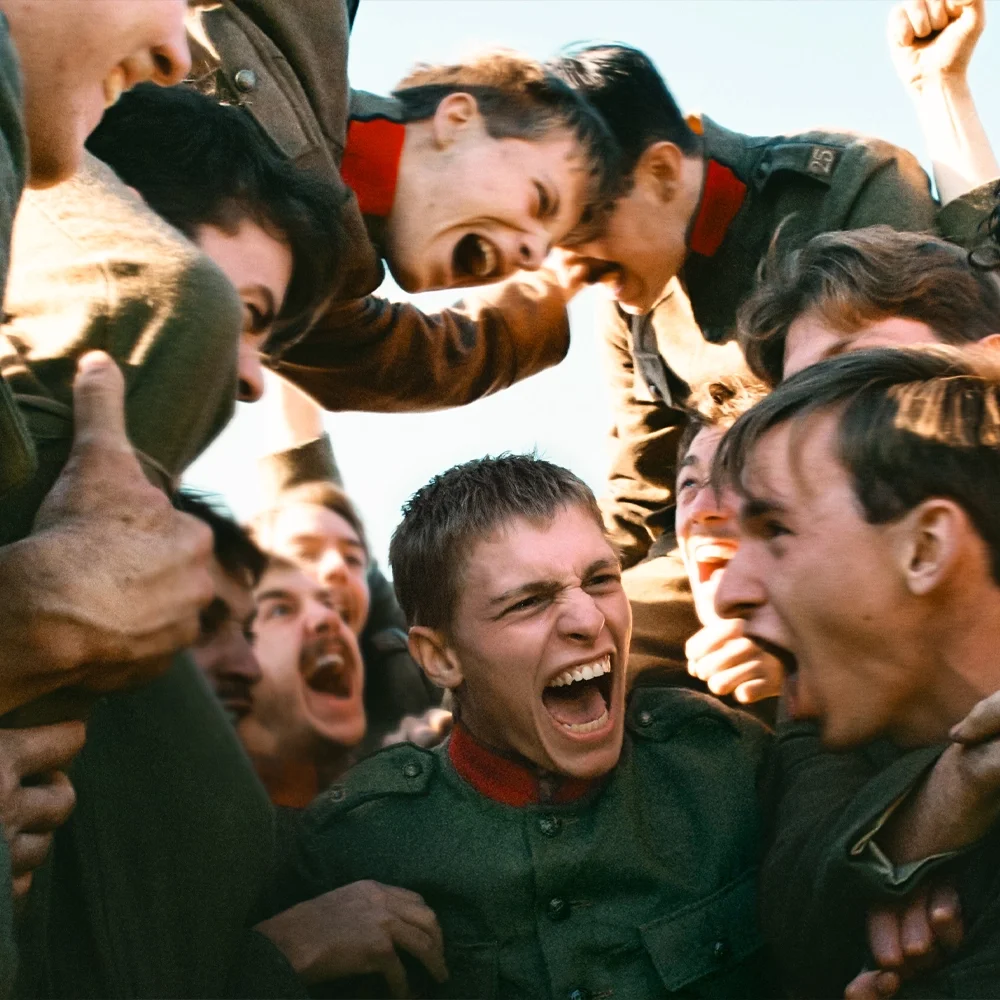
Coward (2026) Directed by Lukas Dhont
Opening this year's festival, Lukas Dhont's Coward explores connection in a rather different setting. Against the brutality of the First World War, two young soldiers, Pierre and Francis, find themselves drawn together through a shared need for escape and intimacy. As Francis puts together a theatrical performance to lift the spirits of his fellow soldiers, the film explores the small pockets of humanity that can exist even in the most unforgiving circumstances. It's a story of queer intimacy, brotherhood and finding refuge in another person when the world outside offers very little.
The Debut – Jesse Eisenberg
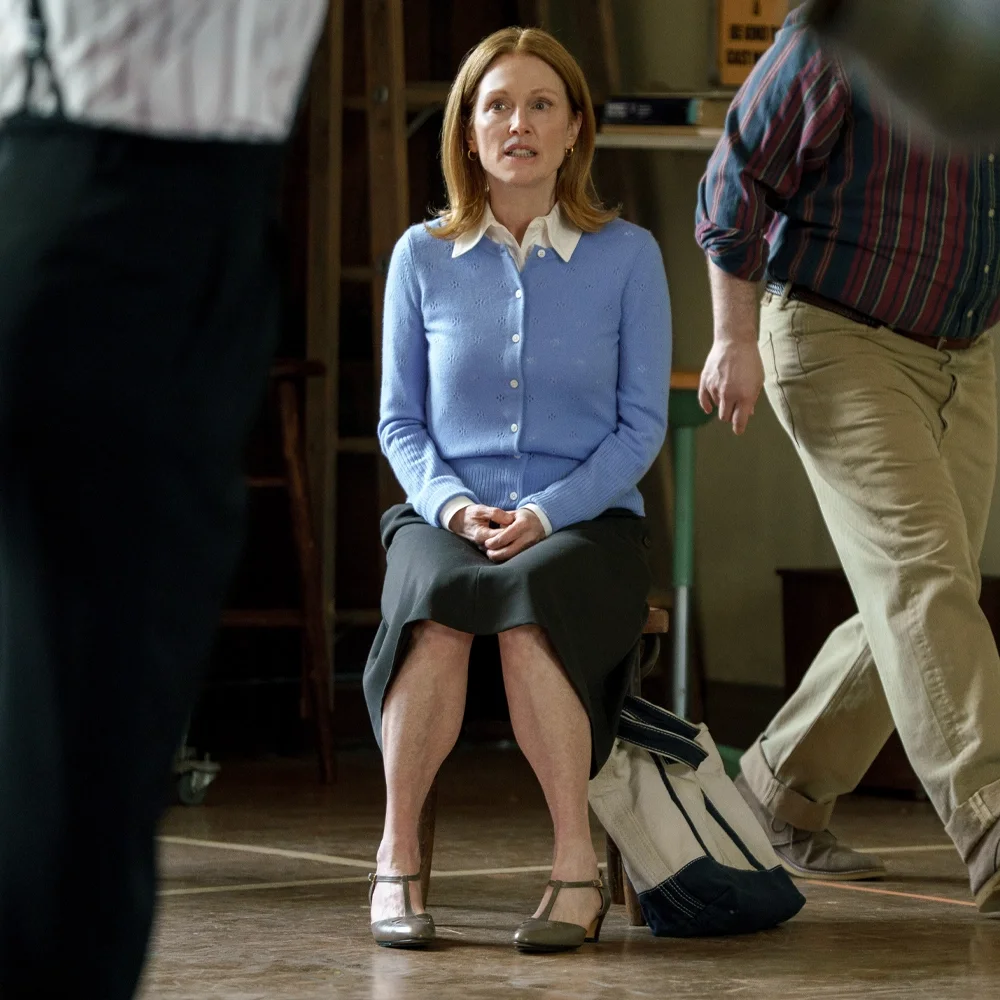
The Debut (2026) Directed by Jesse Eisenberg
Sometimes finding your people means discovering an entirely different version of yourself. In Jesse Eisenberg's The Debut, a shy housewife unexpectedly finds herself cast in a community theatre production, only to become increasingly consumed by her role and the artistic world around her. Starring Julianne Moore, Paul Giamatti and Halle Bailey, the film offers a comic exploration of creativity, obsession and personal reinvention. There's something rather relatable about the idea that a new interest, or simply saying yes to something unfamiliar, can open the door to an entirely new social world.
Clarissa – Arie and Chuko Esiri
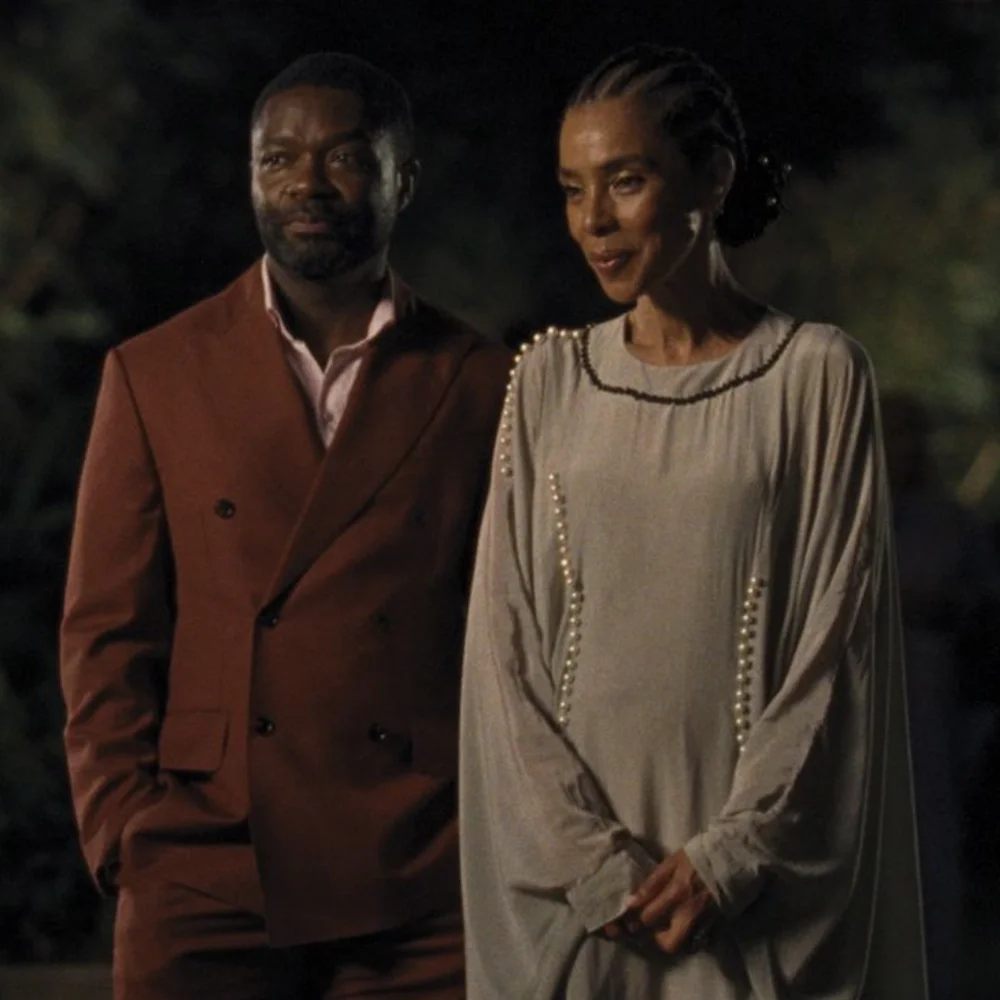
Clarissa (2026) Directed & Produced by Arie Esiri and Chuko Esiri
Rounding out the selection, Clarissa brings a more reflective perspective. A contemporary Lagos-set reimagining of Virginia Woolf's Mrs Dalloway, the film follows a society wife preparing for a party while reflecting on her youth, past relationships and the choices that have shaped her life. Featuring Sophie Okonedo, David Oyelowo and Ayo Edebiri, it's an exploration of memory, connection and the people who remain part of our story, even as life takes us in different directions. Not every relationship needs to be constant to be significant.
Beyond the Main Programme
The idea of connection carried into the festival's wider programme, too. Lovisa Sirén's Without Kelly offers an intimate portrait of a young mother navigating separation from her daughter, while Kostis Maraveyas' Out of Service finds an unexpected connection between strangers at a bus stop. In Mat Hay's The Wetland, belonging is rooted in place and a community's determination to protect its future. Kosta Karakashyan's They explores a tender relationship between two men navigating the pressures of keeping their lives together private.
There were other perspectives worth seeking out. Natalie Arle-Toyne's Conception Game approaches the sometimes unconventional journey towards parenthood with humour, while Aneil Karia's VOTE GAVIN LYLE, starring Jack Lowden, examines the relationship between masculinity, nationalism and the identities we construct around ourselves. Together, they broaden the conversation beyond friendship and family, towards the ways we seek acceptance and define where we belong.
Building a Community Beyond the Screen
Of course, IFFG's commitment to connection doesn't end when the lights go down. Its education programme, coordinated by Lucy Dreznin, is an important part of the festival's wider work, offering younger audiences opportunities to explore film and develop creative skills. This year's programme included a Jonathan Charles animation workshop, an acting for screen workshop with Giles Foreman, a directing masterclass with Greek filmmaker Christos Nikou and a post-production workshop with Disauthority.
It's a welcome reminder that independent cinema needs more than audiences; it needs opportunities, education and the next generation of people willing to get involved.
IFFG's programme of screenings, industry networking events and educational initiatives extends well beyond the annual November festival, creating opportunities for filmmakers, industry professionals and audiences to keep coming together throughout the year.
Here at Manhood, that was perhaps the most enjoyable part of the experience. The films gave us plenty to think about, but it was the atmosphere around them that made the festival feel particularly special. There was no sense of having to know everyone or be part of the industry to belong. Just a shared enthusiasm for good storytelling, interesting people and the conversations that happen when the credits roll.
Finding your people doesn't always happen where you expect. Sometimes, it starts with a film, a conversation or simply being in the right room.
Keep up with International Film Festival Glasgow on social media for news of upcoming screenings, networking events and opportunities to get involved.