The Expert's Guide To Festive Tablescaping
Forget buying an entirely new dinner service. From clever colour combinations and foraged foliage to velvet bows and candlelight, The Table Stylist's Lucy shares her secrets to making your Christmas table look rather special.
There are two kinds of Christmas hosts. Those who have planned the table decorations before Halloween and those who find themselves hunting for matching napkins approximately 20 minutes before the guests arrive.
I have generally admired the former while recognising rather too much of myself in the latter.
Which is why an invitation from Molton Brown to spend an evening at The Hoxton Edinburgh learning the art of festive tablescaping with Lucy, founder of The Table Stylist, seemed particularly well timed.
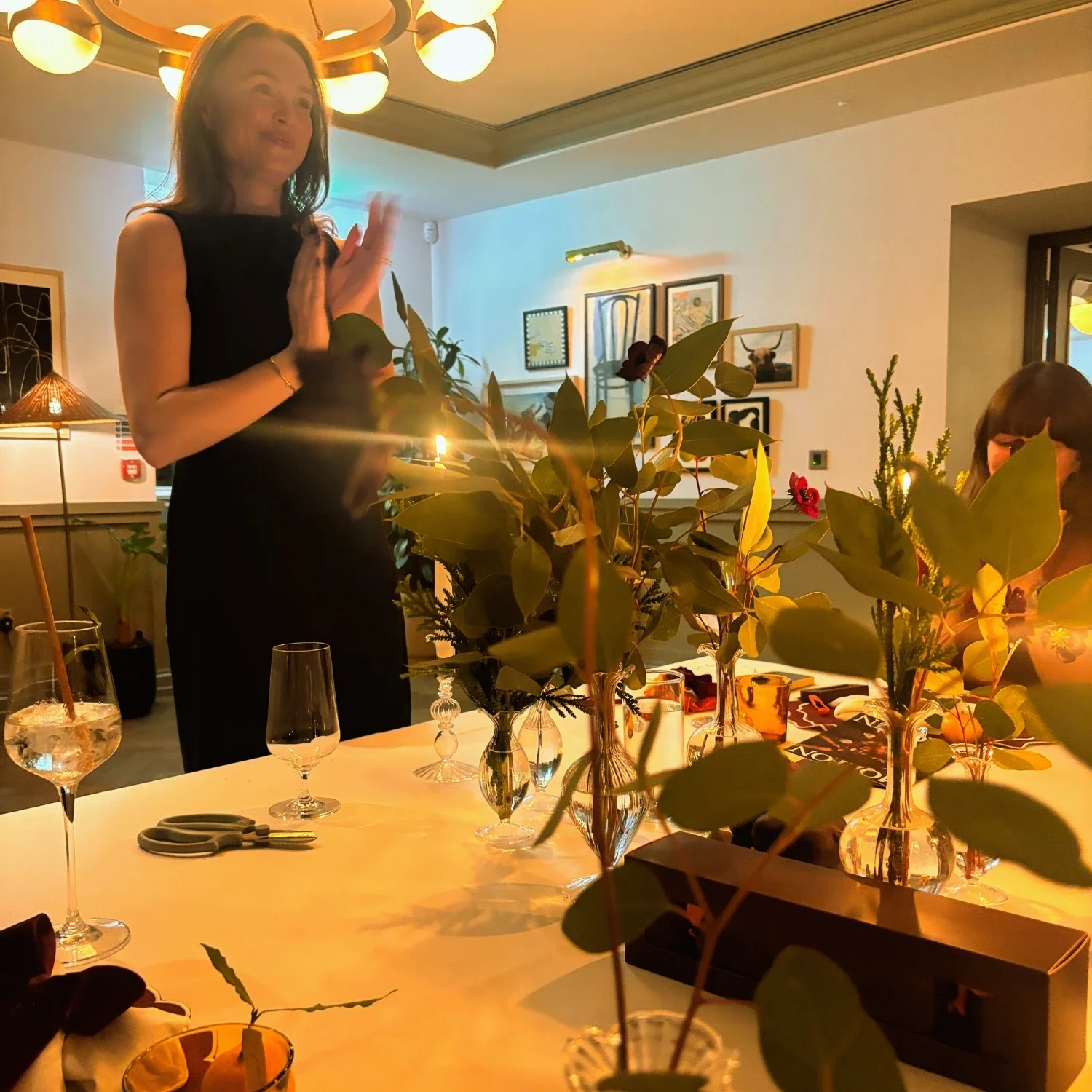
Lucy from The Table Stylist demonstrates how a few carefully chosen stems can transform a Christmas table
The occasion was a celebration of Molton Brown's Christmas collection, with its rich colours, beautiful packaging and an emphasis on the small pleasures of giving. But it was Lucy's approach to creating a memorable table that provided the most useful lesson.
Her philosophy is simple. A beautifully laid table is not about spending a fortune on decorations or owning twelve matching place settings. It is about bringing people together and creating a setting that makes them feel special. Something that, in our increasingly busy lives, is worth making a little more effort for.
And as it turns out, some of the most effective styling tricks involve nothing more complicated than a few clementines, a length of ribbon and a walk in the garden.
Start With Three Colours
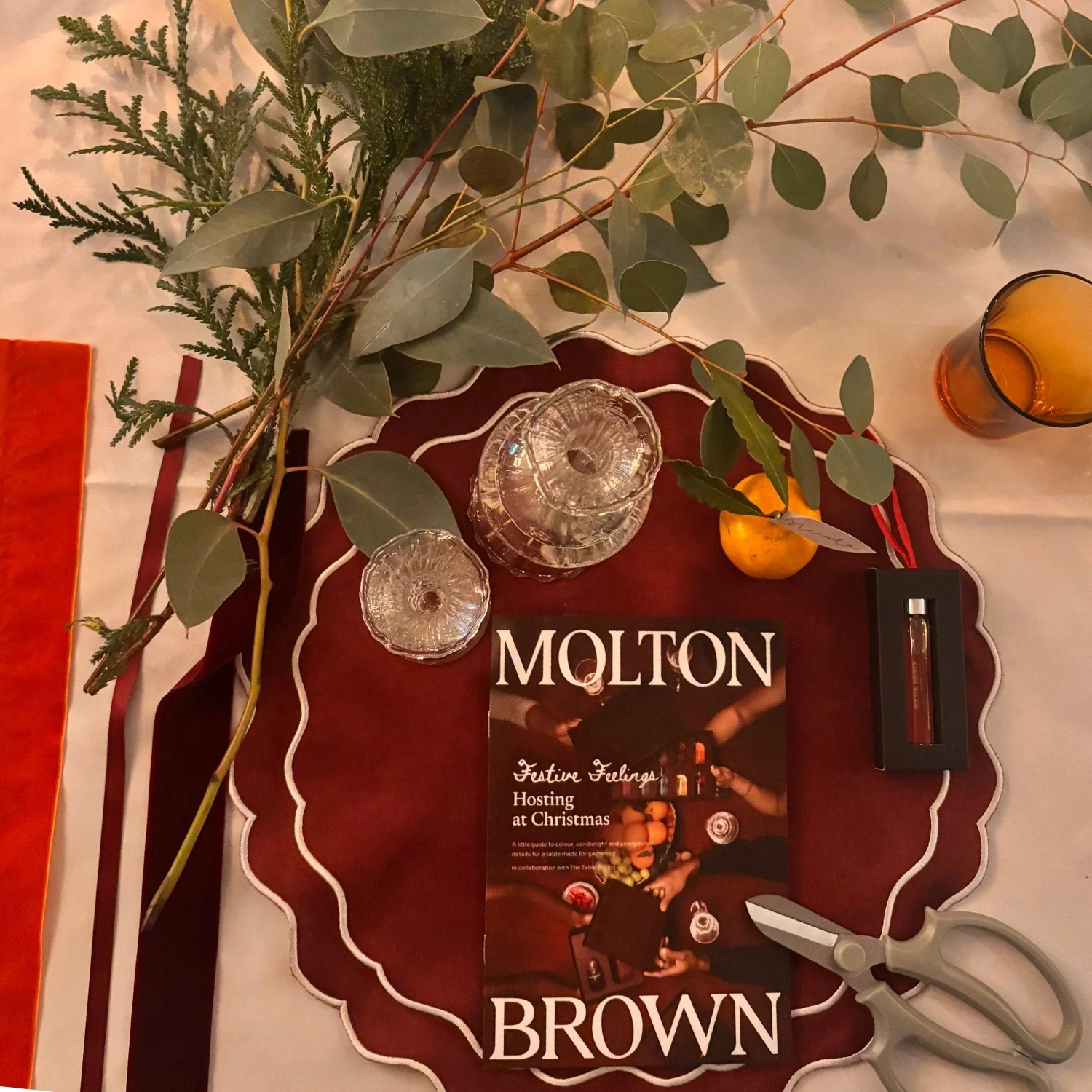
In her Table Stylist workshops Lucy encourages working with three colours - a dominant shade, a secondary colour and an accent. For this event it was burgundy as the foundation, white as the contrast and orange for a flash of colour/
Before you buy a single decoration, decide on your colour palette. Lucy's rule is to work with three colours: a dominant shade, a secondary colour and an accent.
At the Molton Brown event, we took inspiration from the brand's festive packaging, working with deep burgundy, white and flashes of warm orange. The result felt rich, seasonal and rather more interesting than traditional red and green.
The trick is not to give every colour equal billing. Let one dominate, use the second to soften the overall effect and bring in the third sparingly.
For our table, burgundy provided the foundation, white introduced contrast and orange delivered those unexpected little flashes of colour.
A handful of clementines scattered between the candles can be surprisingly effective. They are inexpensive, readily available and rather useful when your chosen accent colour happens to be edible.
Alternatively, try forest green, warm white and gold, or burgundy and green with a touch of silver or chrome.
The important thing is to make your choices feel deliberate rather than matching absolutely everything.
Shop Your Own Cupboards First
Perhaps the most reassuring advice was that you don’t need to go shopping to create an impressive Christmas table.
Lucy is a fan of mixing old and new, combining the pieces you already own with unexpected finds.
Start with your existing dinner plates, glasses and cutlery. Add texture with a linen tablecloth, mismatched napkins or a runner, then look for pieces that can bring a little personality to the setting.
Vintage silver, a collection of interesting glassware or even the slightly wonky candlesticks you picked up in an antiques shop can give a table far more character than a perfectly coordinated collection bought in one go.
In fact, things often look better when they don't match.
It's worth remembering that texture matters just as much as colour. Velvet ribbon against linen, polished silver beside rustic greenery and the softness of candlelight all help create a layered look.
Bring The Outside In
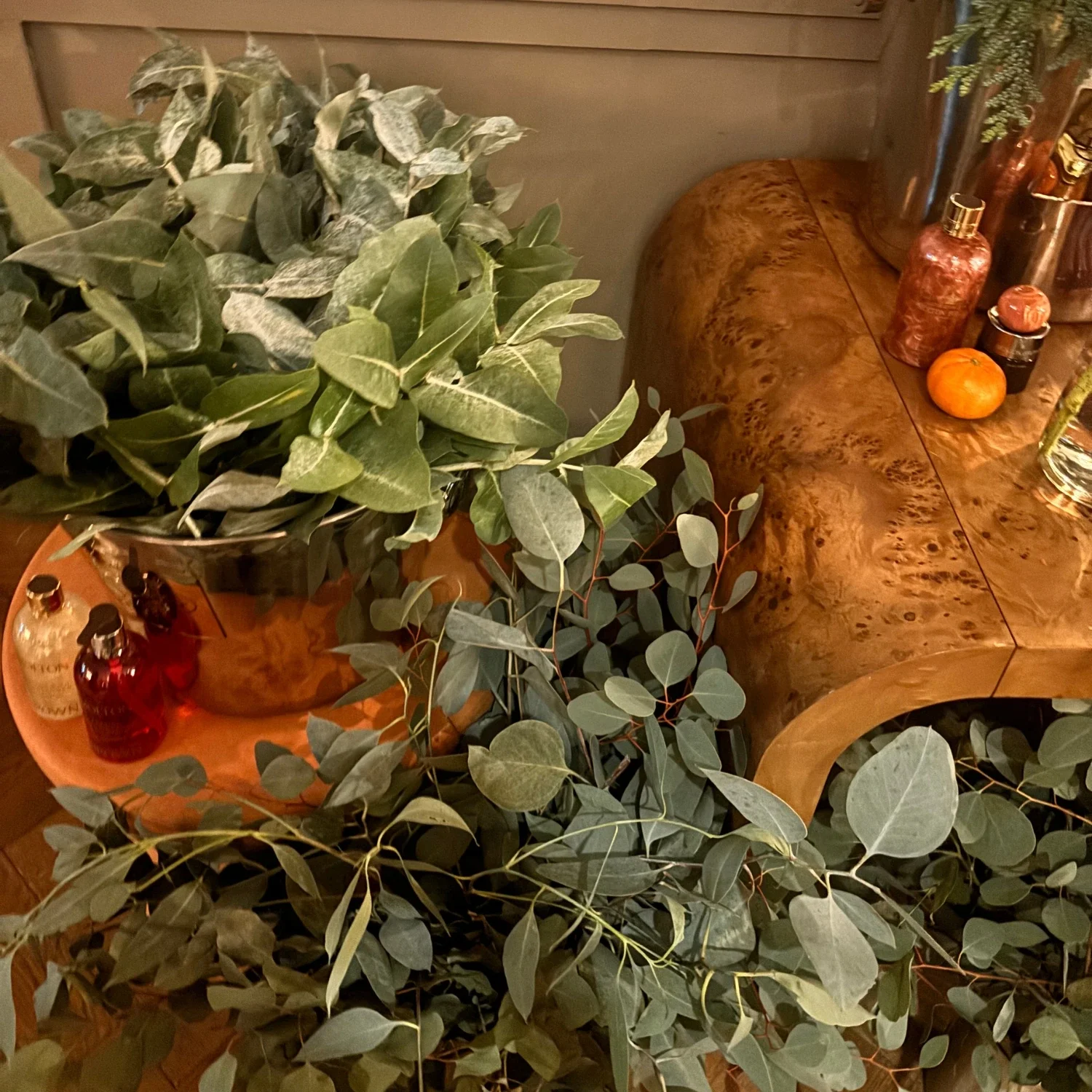
Fresh eucalyptus and natural greenery bring texture and seasonal colour.
One of Lucy's favourite ways to style a table is with natural materials, and there's no better time to try it than Christmas.
Rather than investing in an enormous floral centrepiece, look around your garden for greenery, interesting branches and seasonal foliage.
Eucalyptus, pine, ivy and other evergreens can all work beautifully. Pine cones, walnuts and pomegranates provide additional colour and texture, while clementines make particularly charming little decorations.
Lucy likes to create arrangements that feel as though they have grown naturally rather than been meticulously constructed.
And her advice is to use flowers sparingly. A collection of small bud vases filled with individual stems can look far more interesting than one elaborate arrangement.
Mix different heights, let the foliage wander and resist the temptation to make everything symmetrical. One striking flower, such as a dark cosmos, can be left to do its own thing.
If you're foraging, be considerate. Take only small amounts where collecting is permitted, avoid private land without permission and leave protected wildflowers undisturbed. Better still, start with what you can find in your own garden.
Create Height, Without Blocking The Conversation
A good table needs movement, which is where candles, flowers and foliage come into their own.
Lucy's advice is to vary the heights rather than lining everything up at the same level.
Begin with low greenery along the centre, introduce medium-height bud vases and then add taller taper candles between them.
Think of the arrangement as a loose, undulating line rather than one enormous centrepiece.
The secret is to create visual interest without preventing your guests from seeing one another across the table.
And don't feel obliged to buy expensive flowers. A couple of well-chosen stems can be more effective than a large bouquet, particularly when mixed with greenery and candlelight.
Master The Art Of The Velvet Bow
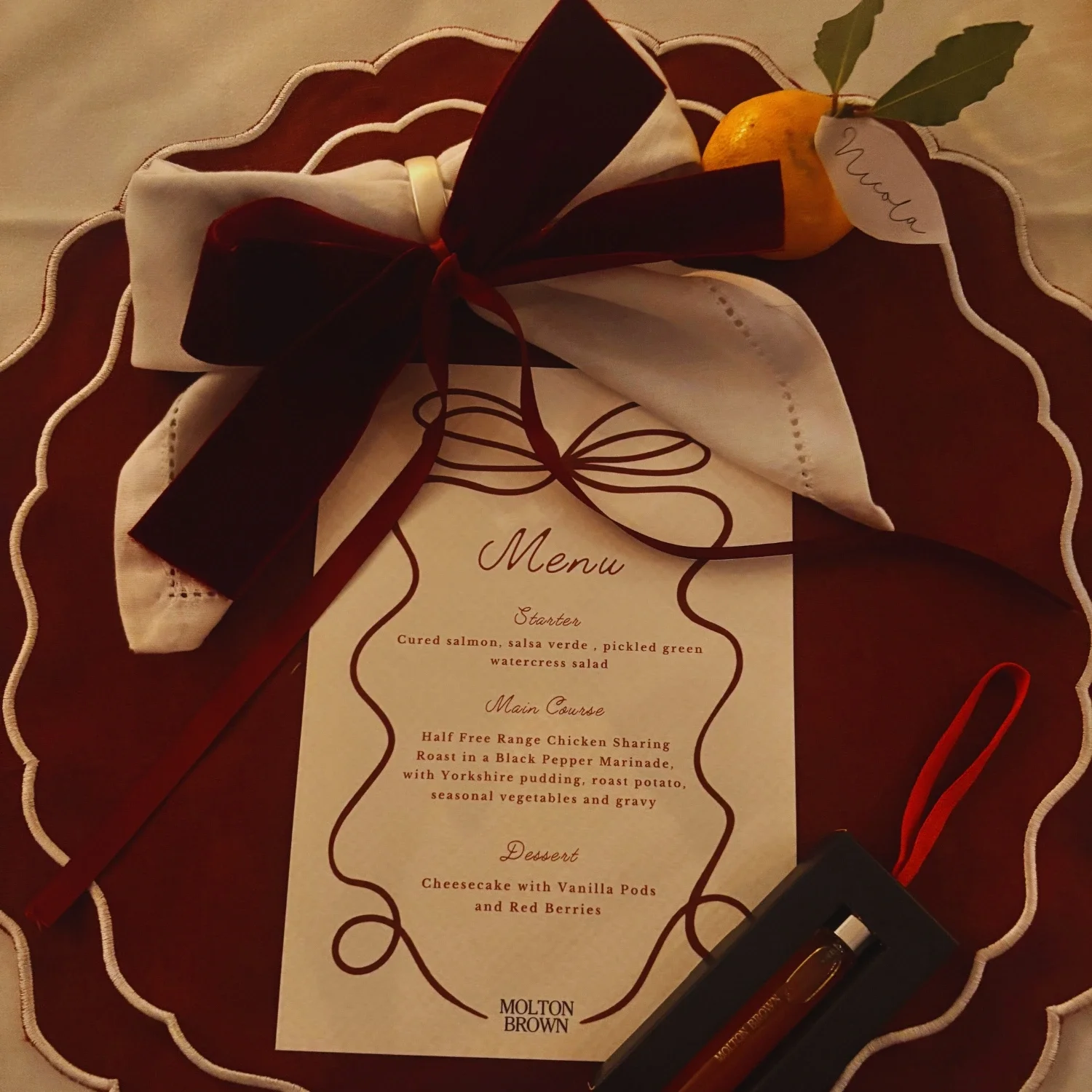
If there's one finishing touch worth learning this Christmas, it's how to tie a beautiful velvet bow.
At the masterclass, we experimented with different widths of ribbon, from slender orange ties to generous lengths of velvet.
The secret is to pay attention to the direction of the fabric, ensuring the velvet side faces outwards as you create the loops.
Leave the ends a little longer than you think necessary and don't worry if the finished bow isn't perfectly symmetrical. In fact, a little imperfection often makes it more charming.
Tie one around a napkin, a candlestick or the stem of a glass. Add a handwritten place card or a tiny sprig of greenery, and suddenly something quite ordinary looks as though it has been given considerable thought.
Keep your ribbons after Christmas, too. They're far too useful to disappear into the bin on Boxing Day.
Never Underestimate Candlelight
There is a reason candles feature so prominently on beautiful Christmas tables.
They're probably the easiest way to create atmosphere, particularly as the afternoon turns into evening.
Lucy recommends using plenty of them, mixing tall tapers with smaller candles and varying the heights of your holders.
Silver or gold candlesticks can add a little glamour, while glass holders work beautifully with natural foliage.
The key is a soft, flattering glow rather than so many flames that your guests start worrying about the tablecloth.
Keep candles securely positioned, away from loose greenery and ribbon, and never leave them burning unattended.
One particularly lovely idea from the Molton Brown booklet is to think beyond the table itself. A candle glowing in the hallway, fresh foliage beside a mirror or an oversized ribbon tied to a door can make the whole house feel ready to welcome guests.
Set The Table The Day Before
This might be the most practical advice of all.
There is something rather therapeutic about setting a table when you're not simultaneously trying to roast potatoes, find the serving spoons and work out whether you've bought enough wine.
Lucy suggests laying everything out the day before, experimenting with the arrangements and giving yourself time to enjoy the process.
Start with the tablecloth and place settings, then build up the decorations. Move things around, step away and look at the table from different angles.
Does it feel too crowded? Is there enough room for the food? Can everybody actually see the person opposite them?
And remember, a beautifully styled table still needs to function as somewhere people can eat.
The Finishing Touch? Stop Styling
My favourite piece of advice from Lucy is also the easiest to forget. Once the guests arrive, stop fussing.
The napkins will be unfolded, the glasses moved and the carefully arranged greenery might find itself pushed aside to make room for another serving dish. And that is exactly how it should be.
After all, the point of creating a lovely Christmas table is not to produce something that looks immaculate in a photograph. It's to encourage the people sitting around it to stay a little longer. The candles will burn down, the wine will be poured and somebody will inevitably spill something.
That, rather than perfect symmetry, is the sign of a very good Christmas gathering.
A Little Something For Your Guests
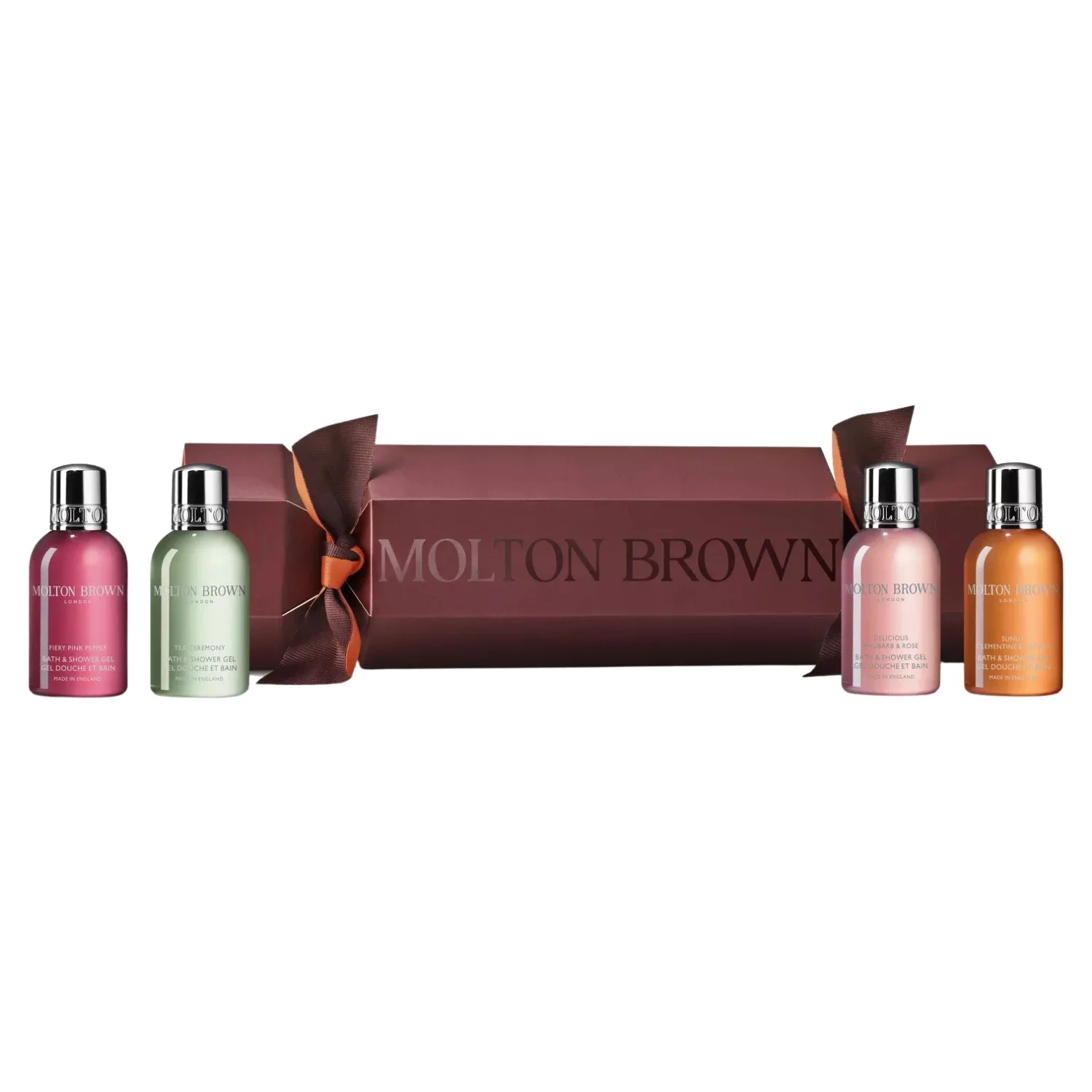
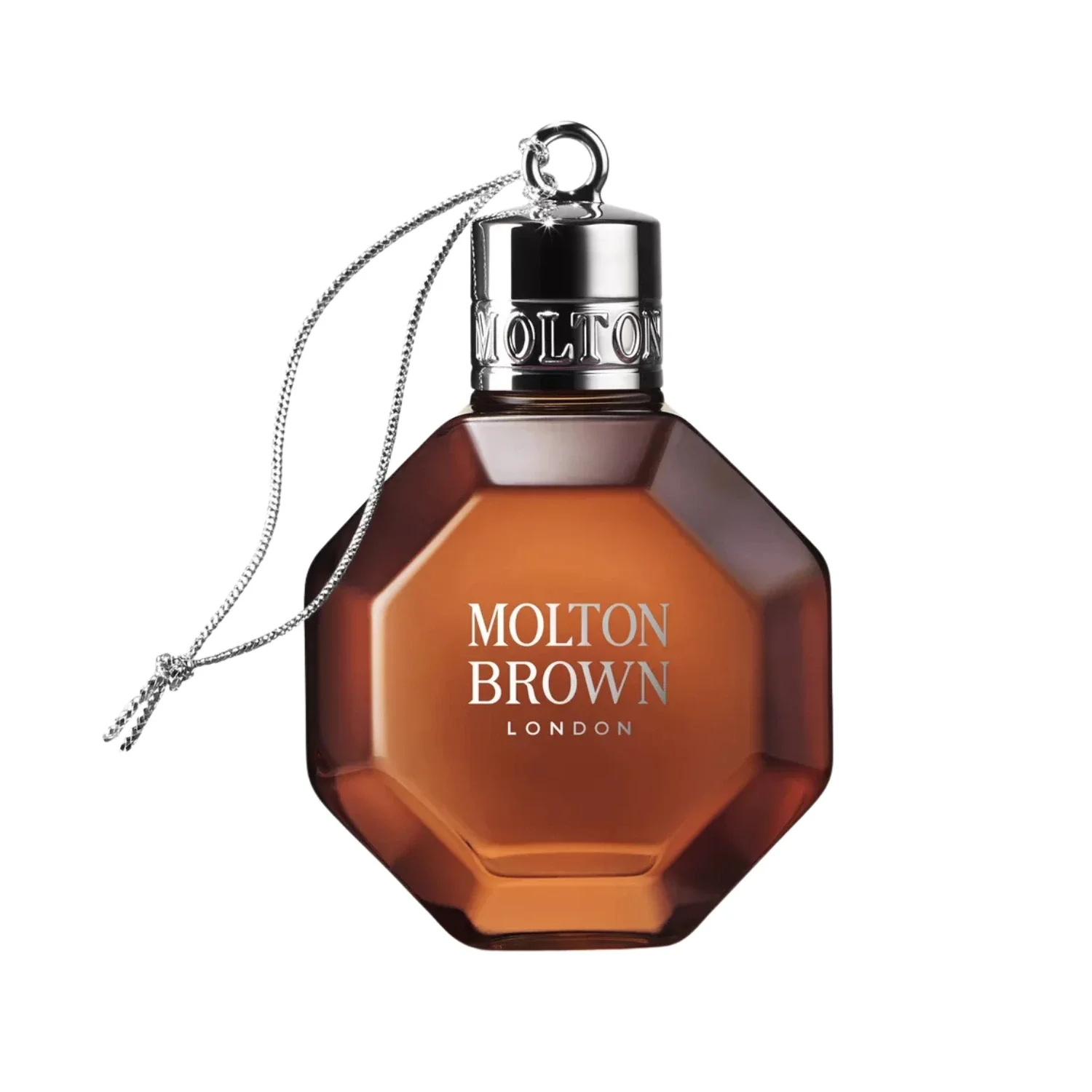
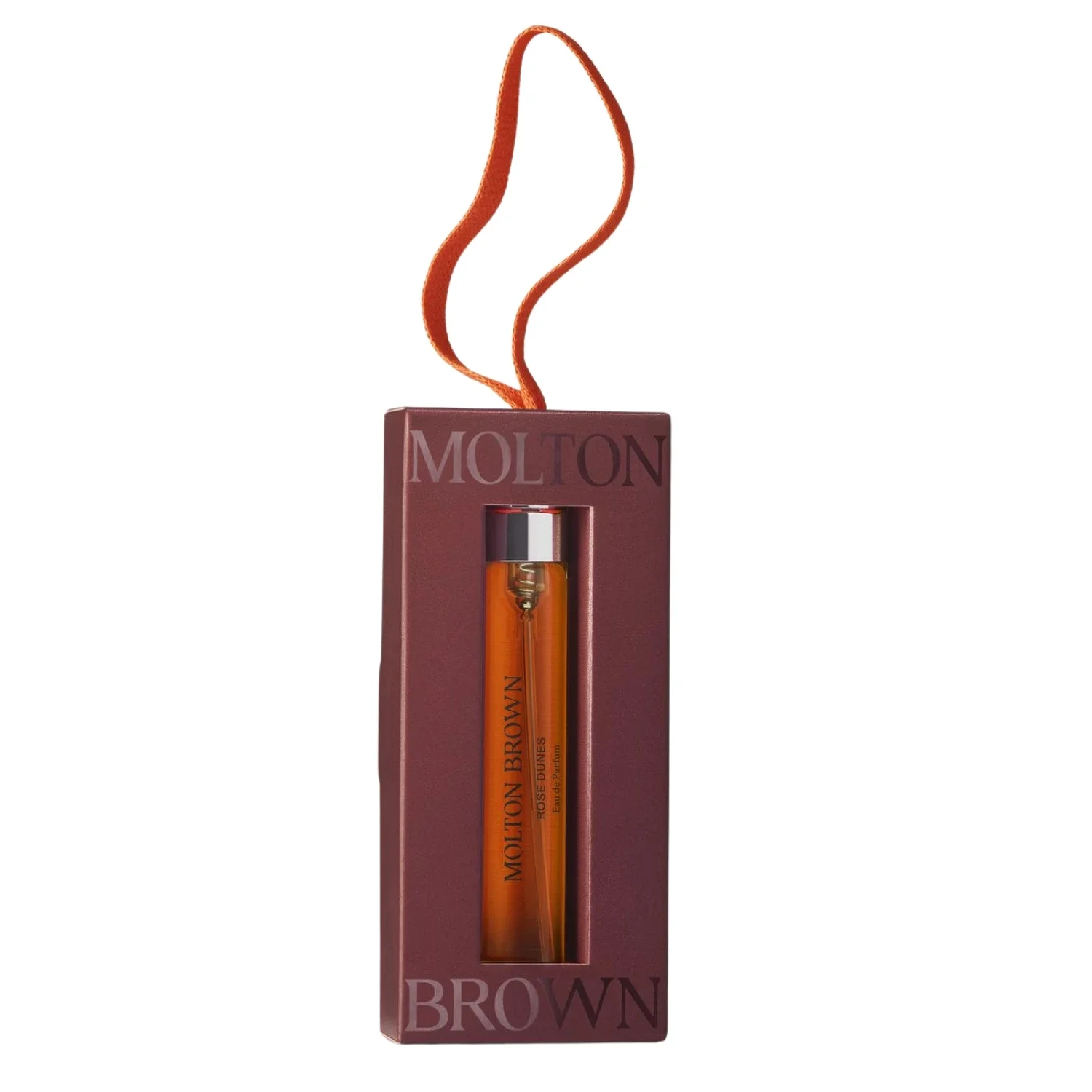
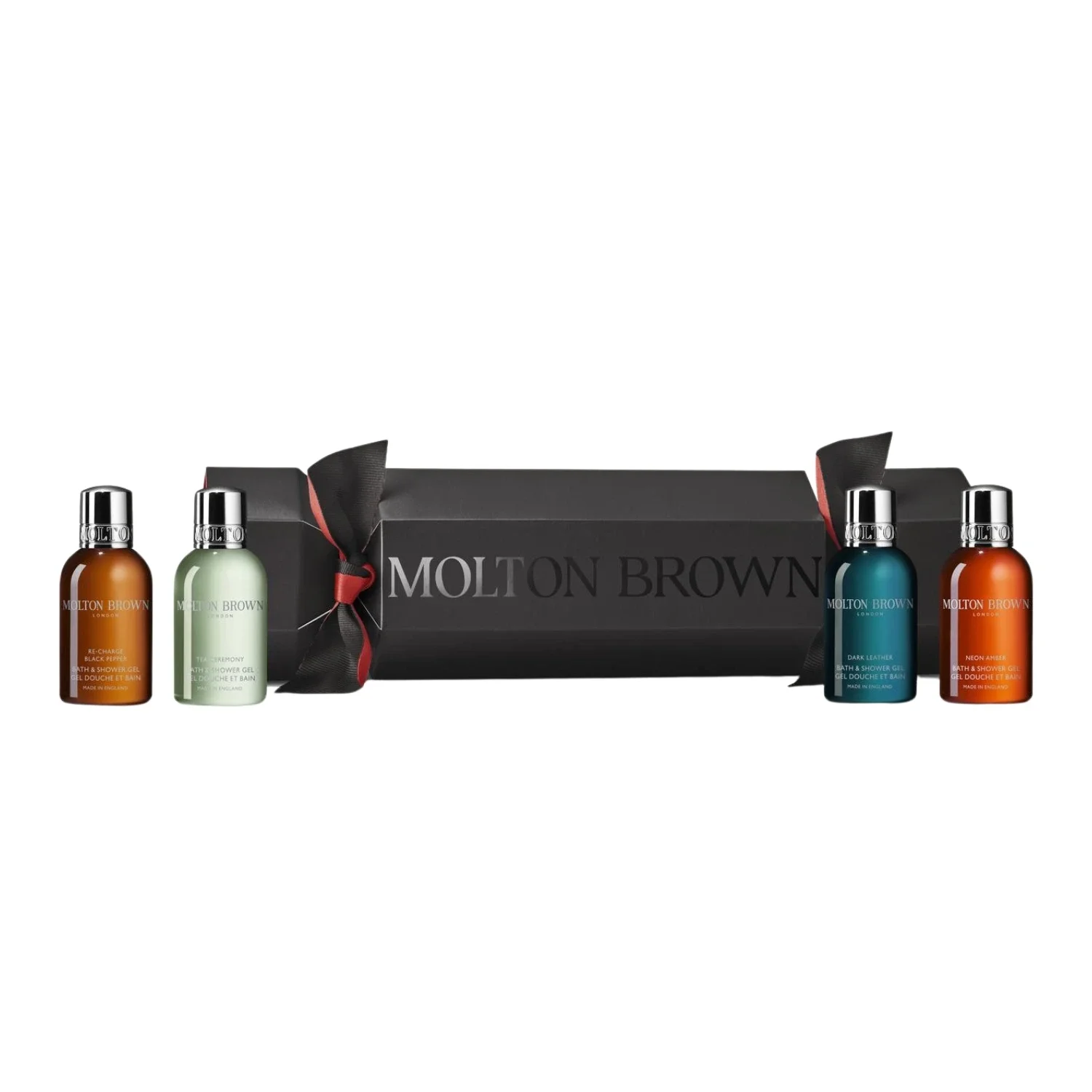
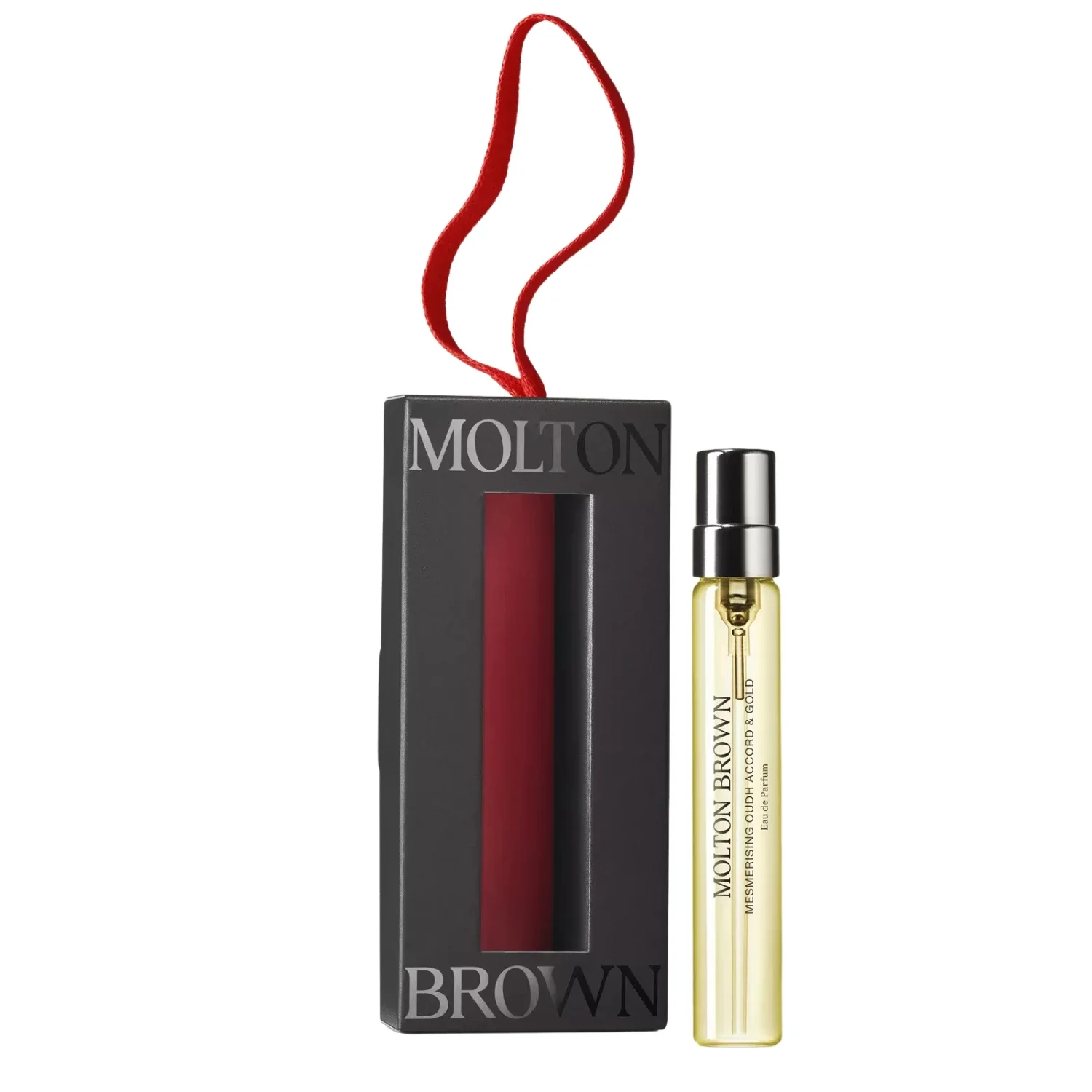
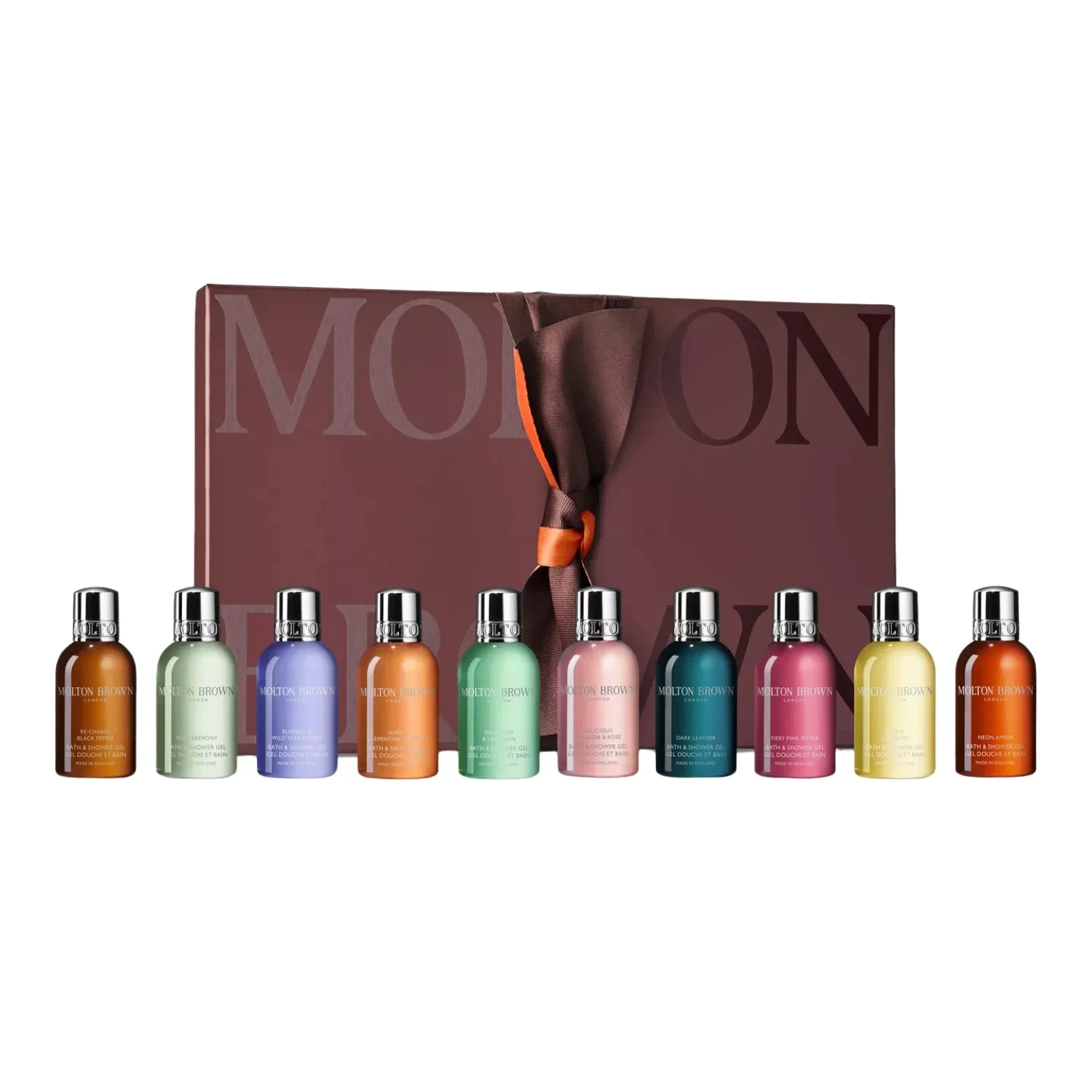
A beautifully dressed table deserves a thoughtful finishing touch. From miniature scented treats tucked into napkins to little luxuries waiting at each place setting, Molton Brown's festive collection offers some rather lovely ideas for giving guests something to take home.