
Nothing Like a Dame
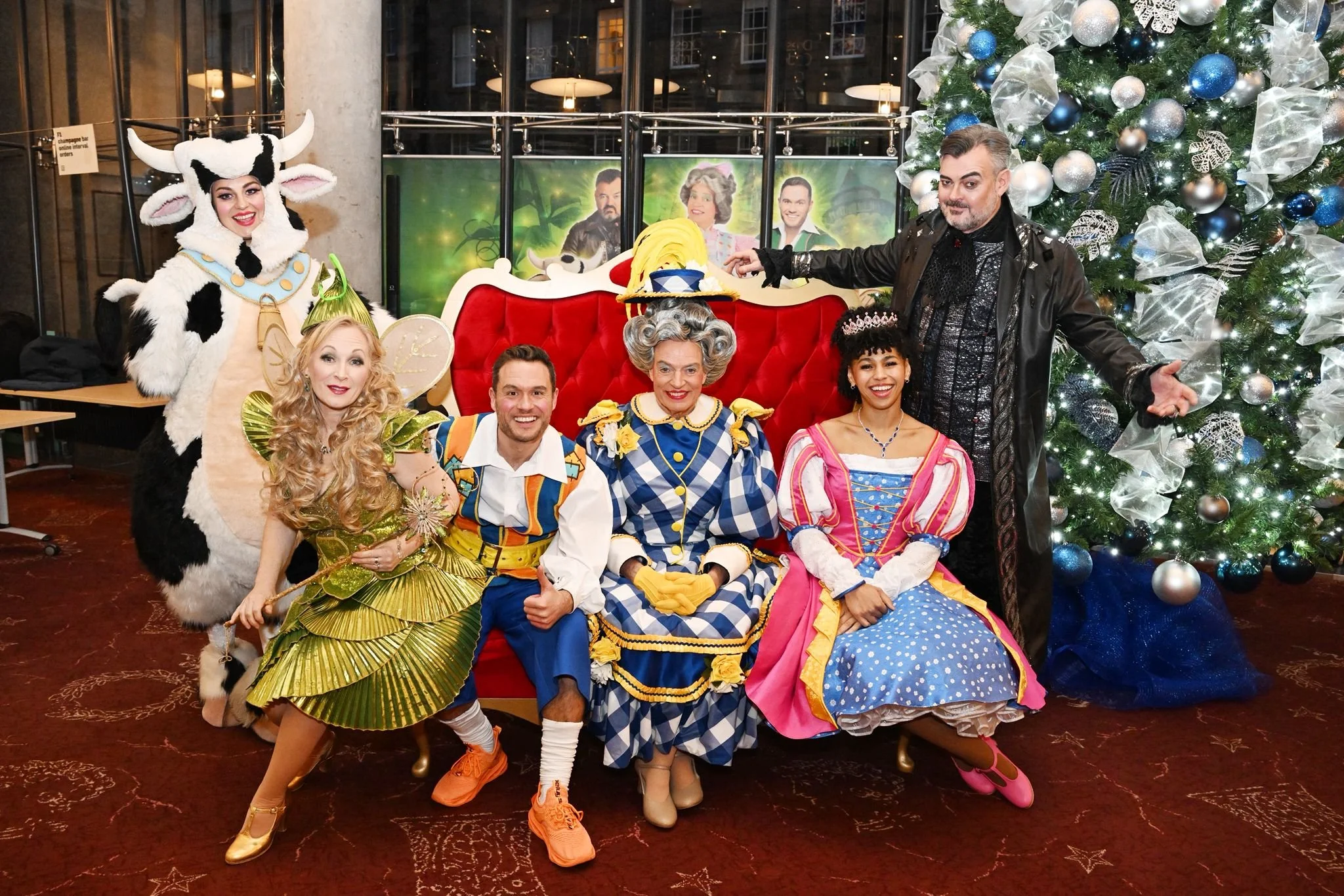
Allan Stewart marks his golden year in panto, a 50 season milestone that has shaped Scottish entertainment for half a century. Here he reflects on the craft, the graft and the joy that keeps him coming back.
Fifty years in panto is a rare thing. For Allan Stewart it marks a golden milestone, the culmination of a life built on instinct, stamina and a bond with audiences that has never dimmed. As he steps into his 50th production - Jack and the Beanstalk, and his final season at the Festival Theatre before returning to the renovated King’s, he looks back on the early lessons, the years with Andy Gray and the energy that still carries him onto the stage night after night.
Did you grow up going to the panto yourself, and did those early trips as a child shape what you do on stage now?
I did my first panto at the Pavilion in Glasgow in 1975 and I had never seen a panto in my life up until that time. I had always been working in the clubs as a young boy and didn’t know or understand the theatre world. So I went in as top of the bill with a completely open mind. It was difficult but because I didn’t know any of the traditions of panto I changed the whole feel of the show, which was what they wanted. But I quickly learnt about that world from the wonderful Jack Milroy.
Who were your comedy inspirations when you were starting out, and do you still feel their influence in the way you work today?
I was mentored by a wonderful comedian, Jack Radcliffe, who was a big Scottish star. He took me to all of his shows and paid me out of his own pocket to support him. But my main influence was my dad, who knew nothing about show business but was a very funny, great man.
You were one of the great impressionists of your era. Accents get an instant response. Was it that immediacy that first drew you to impressions and panto?
Because I was so young I couldn’t do comedy in my own voice. I was also very shy, so being able to hide behind a character gave me confidence. That was why I created a character called Aunty May for TV in the early 70s, which became the forerunner of my dame character in panto.
You have been part of Scottish entertainment for my entire life and I am 50. Back in the Copycats days, did you ever imagine that live performance and panto would become such a defining part of your legacy?
I never thought I would still be doing panto at 75. In fact this is my 50th panto and my 28th as Dame in Edinburgh. It has been a very important and lucrative part of my career.
You were also a highly skilled game show host. Do you miss television, or does live performance give you everything you need professionally now?
I have always felt better with a live audience than on TV. I think because I was performing from the age of 10 it was in my blood. There is nothing like walking on stage to a roar from the crowd. You also know immediately how you have done. With TV you sit around for weeks till the show comes out and then you find out if it worked or not.
This year marks half a century of panto. Looking back across those decades, what has changed most and what has never changed at all?
The biggest change is the standard of production. This year in Jack and the Beanstalk we have the London Palladium production, which is wonderful. When I started we had organ and drums in the pit and one microphone at the front of the stage. So when you see the massive props, crocodiles, flying carpets and the Cinderella carriage you can see how far we have come. They are now the standard of a major musical.
You write the show as well as star in it. Does panto ever fully leave your head, or is it always ticking over in the background
I actually only write the comedy, not the story, although Grant, Jordan and the director Ed all have input. But I start thinking about the next panto well over a year in advance. I see something that triggers an idea and I write it down. Then about April I start writing the parodies and sketches and slot them into the story. So yes, I’m always thinking.
You are writing for children, parents and grandparents at the same time. What is the hardest part of landing comedy for three generations without diluting it?
That’s a really good question. I have always worked on the premise that the kids don’t understand the innuendo and just see the funny expressions and actions that we do, and they hopefully don’t ask their parents to explain the joke after the show.
Performing your own writing brings a different kind of pressure. Has that responsibility ever felt daunting, particularly at Christmas when expectations are so high?
The main pressure is on the opening night because up to that point, no matter how much you rehearse and get laughs in the room, you never know till you walk on stage if it is going to work.
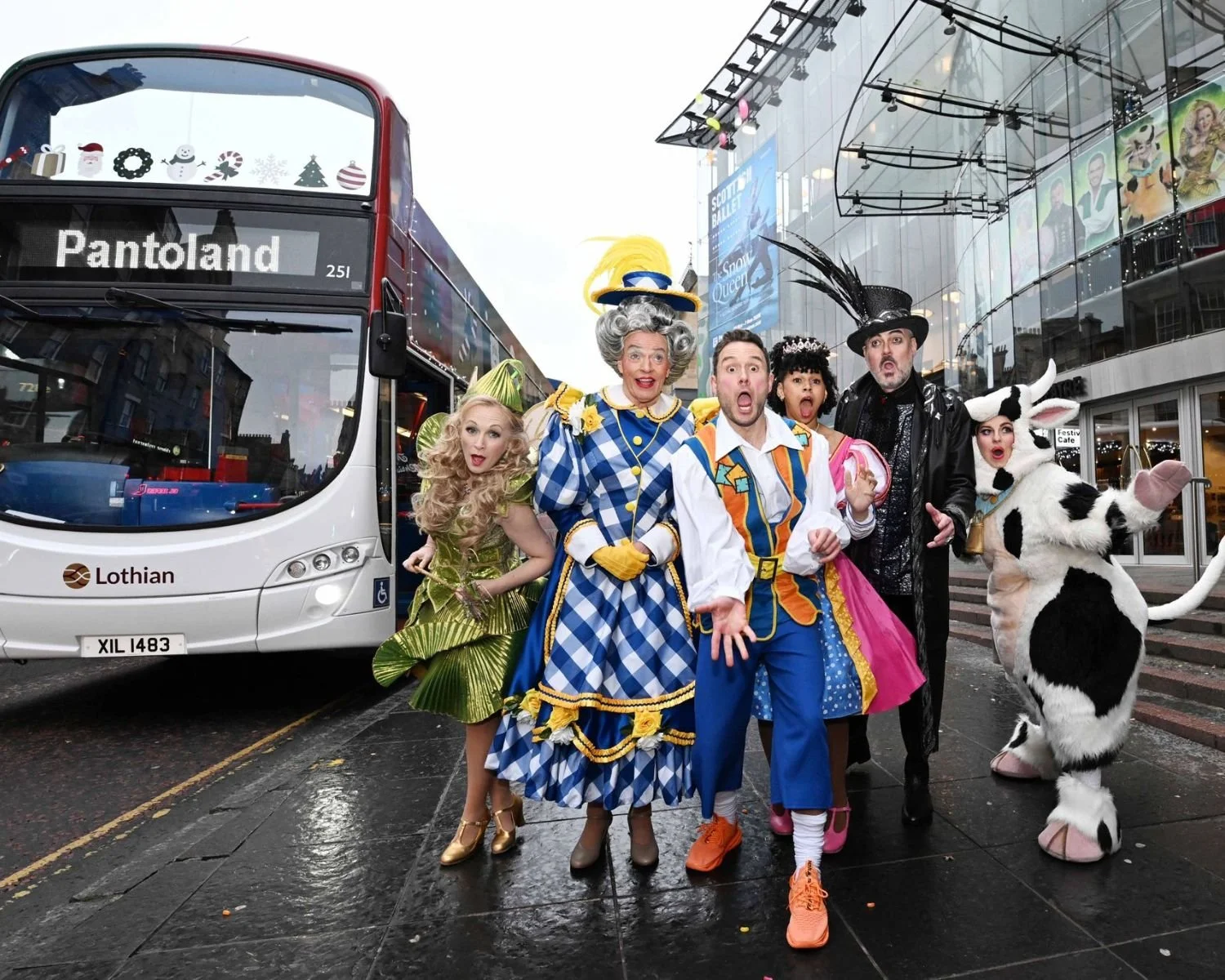
The chemistry between you and Grant Stott is always one of the great joys of the show. How do you keep that spark alive year after year, especially after the loss of your great friend and long-time collaborator Andy Gray?
I first worked with Grant in 1993 in his first panto at the King’s in Glasgow and it has been wonderful watching him grow into the great panto villain he is now. He has soaked up everything through the years and is now a very important part of the team. Of course we all miss Andy. We were literally partners in panto for 20 years and thought like each other. We both knew exactly what the other was going to say and when to step back and give each other the floor. I think we keep it fresh because of our love of pantomime and the love of listening to the audience roaring with laughter. And we work hard throughout the year watching for new trends and ideas.
This is your final panto in the Festival Theatre before returning to the King’s after its major renovation. How excited are you to get back to the King’s in Edinburgh and what does that theatre mean to you personally?
I did a variety show in the King’s in the early 70s and then throughout the years I appeared in plays, musicals and of course panto, so to go back there is going to be very exciting. However I have loved being at the Festival. It is a very warm room and the reaction from 2000 people is special. But to walk in that new stage door for the first time will be a wonderful moment.
Your energy on stage is extraordinary. What does the audience not see behind the scenes that allows you to sustain that level of performance night after night?
The main ingredient for that energy is something that old pros have talked about for years. It doesn’t matter how bad, tired or ill you are feeling, Dr Footlights gets you through it. That is a way of saying the audience will carry you through your problems. I have been in pain, I have had the cold, the flu and many other unmentionable problems and when I walk out there I get through it. I have only been off once and that was when I totally lost my voice.
After five decades, what still makes you nervous just before the curtain goes up?
Strangely enough I used to be a terrible sweater. It would pour out of me. I had to dry off in the interval and change everything. Then when I came back from the lockdown in 2022 I didn’t sweat. And ever since, for some inexplicable reason, I don’t sweat. I don’t understand it and no one has an explanation for it.
When the time eventually comes to take a step back, how would you most like Scottish audiences to remember Allan Stewart?
We once had a panto review that said, “In years to come people will say do you remember the wonderful King’s pantos with Allan, Andy and Grant.” If I could be remembered in the same breath as Stanley Baxter and Rikki Fulton I will be happy.