
The Biba Years: London Style that Changed Everything, Arrives in Edinburgh
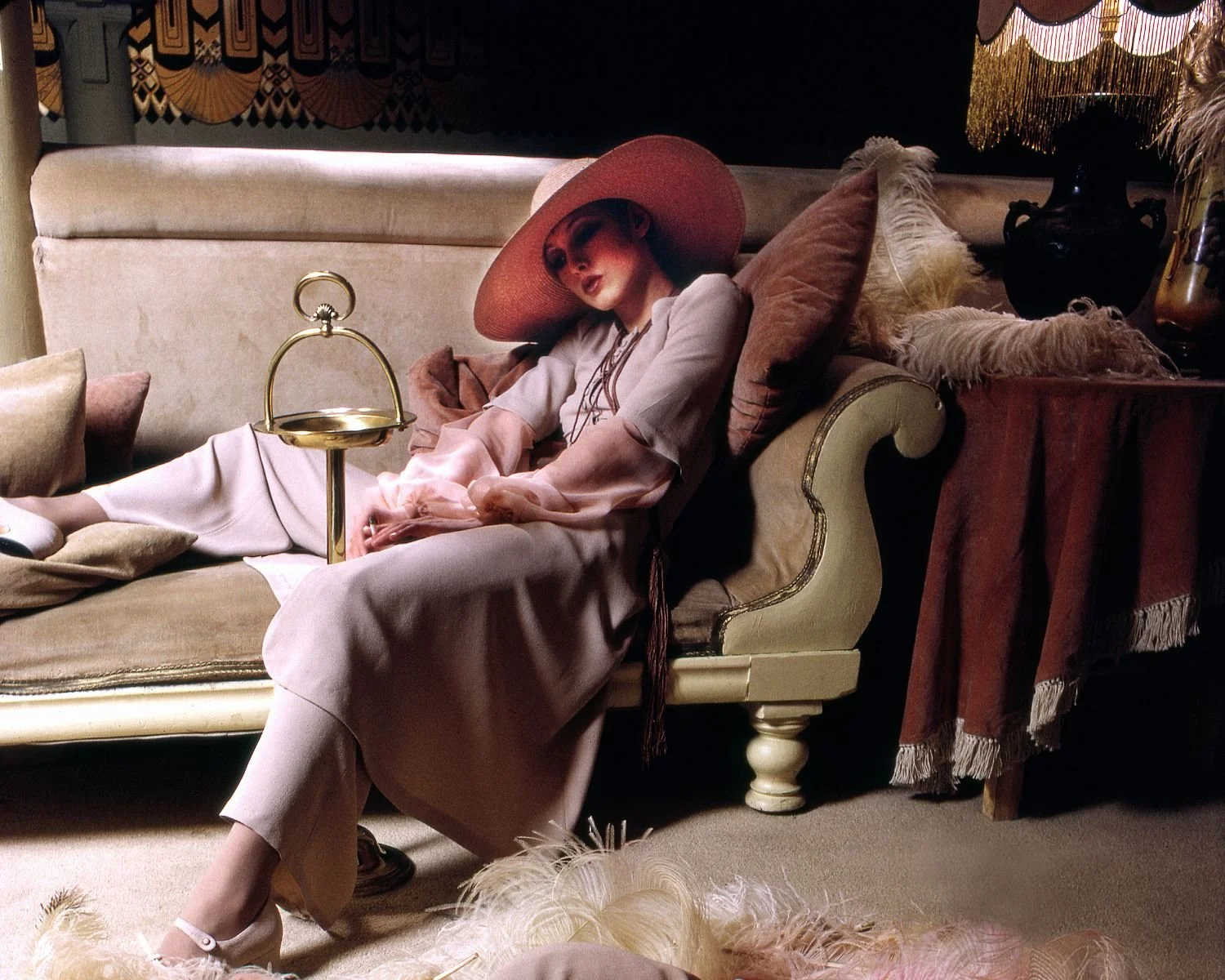
Telegraph Magazine fashion shot of Ingrid Boulting wearing Biba in 1970. Courtesy of Duffy.
Imagine a brand that didn’t just sell clothes but reshaped how women dressed, shopped, and saw themselves. From affordable shifts that gave young women confidence, to a seven-storey lifestyle destination steeped in glamour, Biba rewrote the rules of British fashion. This spring, Edinburgh hosts the definitive deep-dive with The Biba Story: 1964–1975 at Dovecot Studios.
This is not a standard fashion retrospective. It is the most comprehensive exhibition to date on the cult label that turned shopping into an experience and style into a statement. Founded by Barbara Hulanicki in 1963 as a mail-order brand for young women ignored by traditional fashion, Biba quickly evolved into Big Biba, the legendary Kensington High Street emporium where fashion, beauty, interiors, food and music existed under one dramatic roof. Long before “lifestyle brands” became marketing shorthand, Biba created a fully realised world.
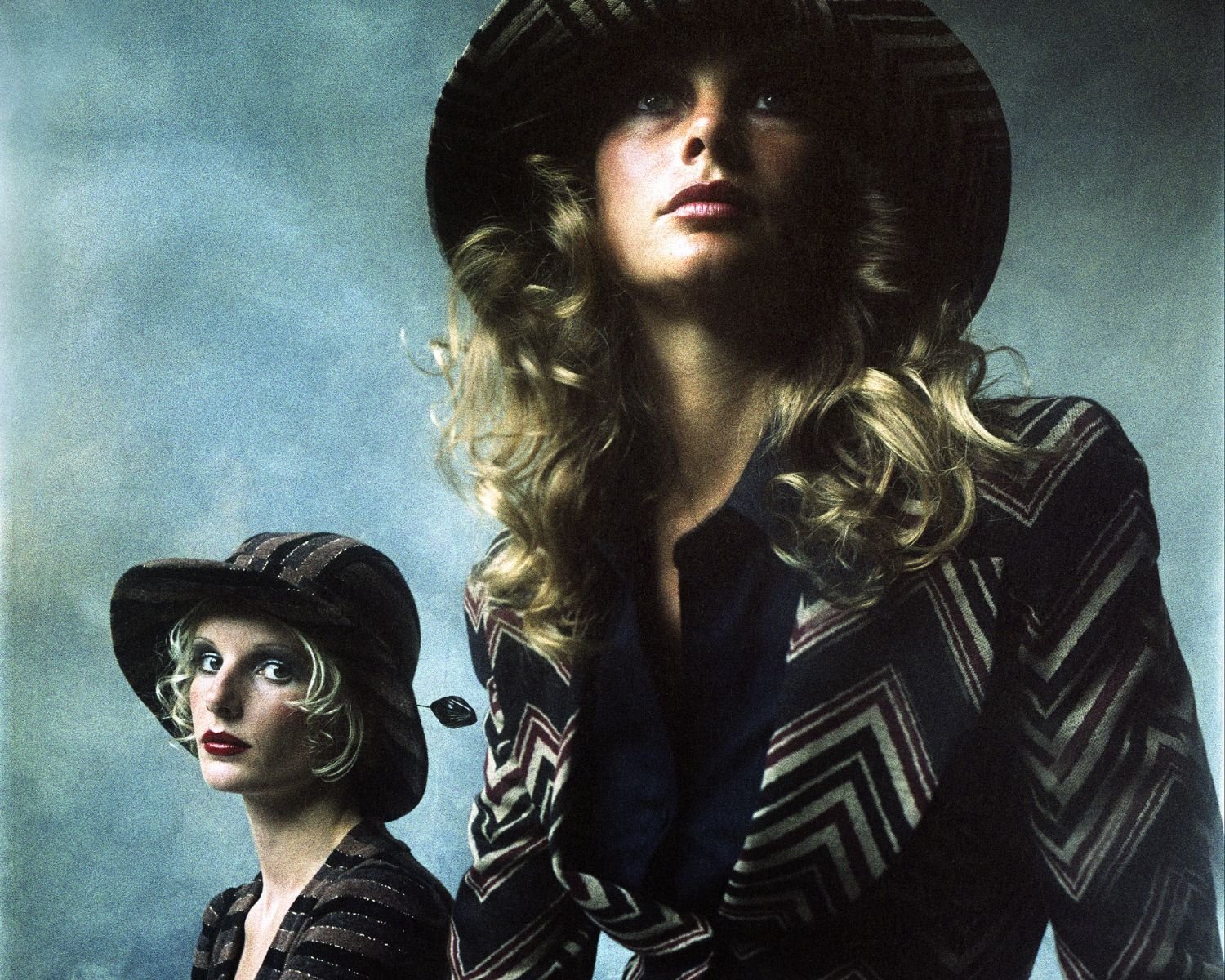
Telegraph Magazine fashion shot of Jean Shrimpton and Barbara Miller in 1973, courtesy of Duffy.
The exhibition charts that evolution clearly. Early, pared-back shift dresses that made fashion feel attainable sit alongside the theatrical pieces that defined the era: devoré velvet, sequinned bodices, leopard coats, feather trims and wide-brimmed hats. Rare garments from private collections are shown alongside original photography, catalogues, press material and archival ephemera, offering a vivid picture of a brand operating at full cultural force.
What set Biba apart was its clarity of purpose. Glamour was not reserved for the few. Prices were affordable, labels removed, clothes designed to be worn rather than preserved. The stores felt welcoming and modern, with music-filled changing rooms and a sense of energy missing from traditional boutiques. Biba also broke ground in beauty, launching the UK’s first full cosmetics range designed for Black women, a move that was both commercially smart and quietly radical.
Biba’s influence extended far beyond clothing. Homewares, children’s lines and a rooftop restaurant turned the store into a destination rather than a transaction. Seen now, its approach feels strikingly current. World-building, experience-led retail and brand immersion all trace a clear line back to Biba’s blueprint.
Dovecot Studios gives the story the space and intelligence it deserves. Known for its considered, craft-led exhibitions, the gallery presents Biba without nostalgia or hype, instead offering a clear view of why it mattered then and why it still resonates. The accompanying Bring Oot Your Biba campaign adds another layer, inviting visitors to share their own memories and pieces, reinforcing that Biba was not just admired, it was lived in.
The Biba Story: 1964–1975 runs till 27 June 2026 at Dovecot Studios, Edinburgh. Tickets are on sale now and expected to sell quickly.
This is not simply an exhibition. It is a reminder of a moment when fashion became accessible, expressive and culturally powerful. Some revolutions really do deserve a front-row seat.
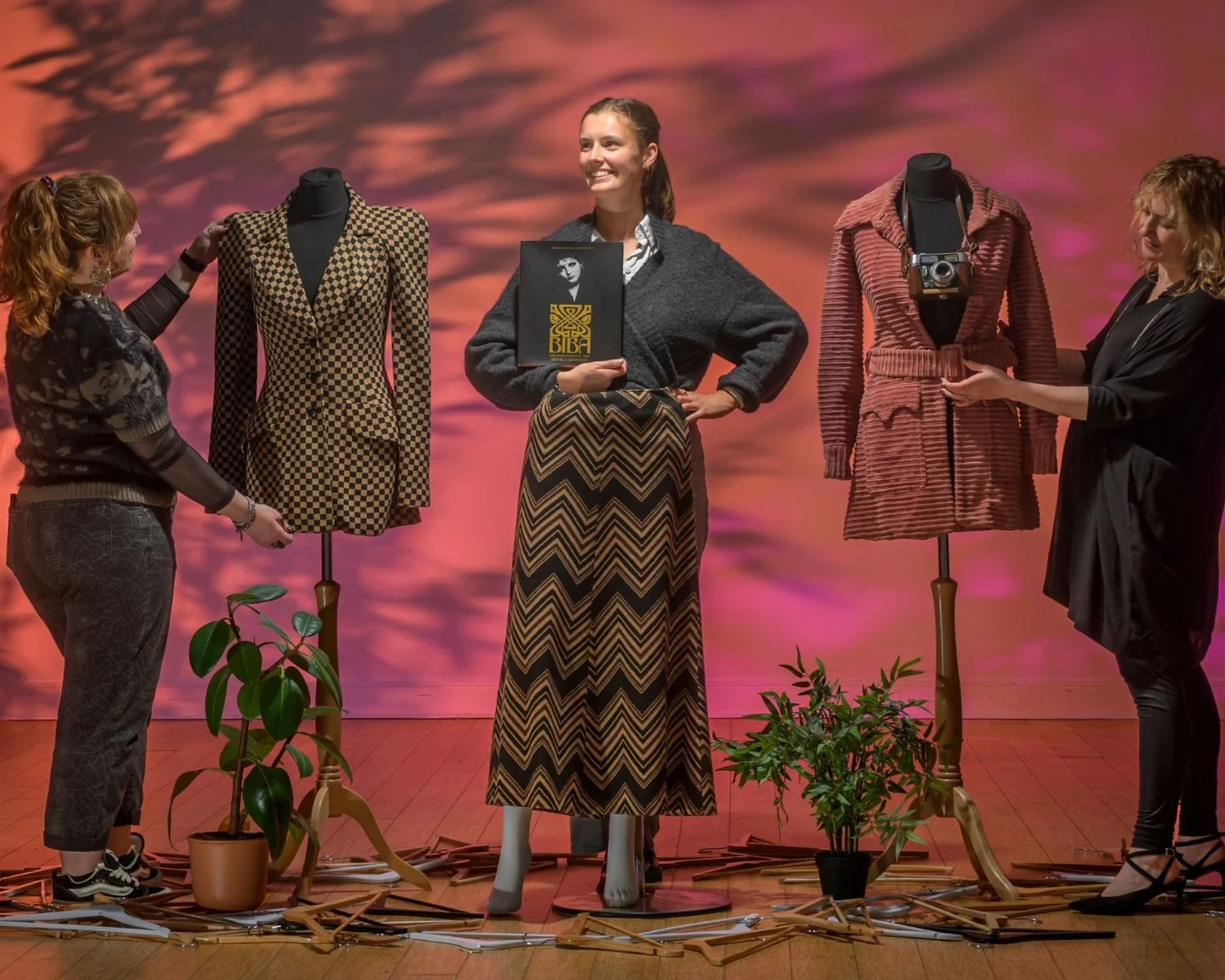
The Biba Story, 1964 to 1975
Dovecot Studios
10 Infirmary Street, Edinburgh EH1 1LT
Until 27 June 2026
Monday to Saturday, 10:00 to 17:00
Admission £12.50, concessions £10.50