
Cool Sleep: How Lowering the Heat Can Raise Your Rest
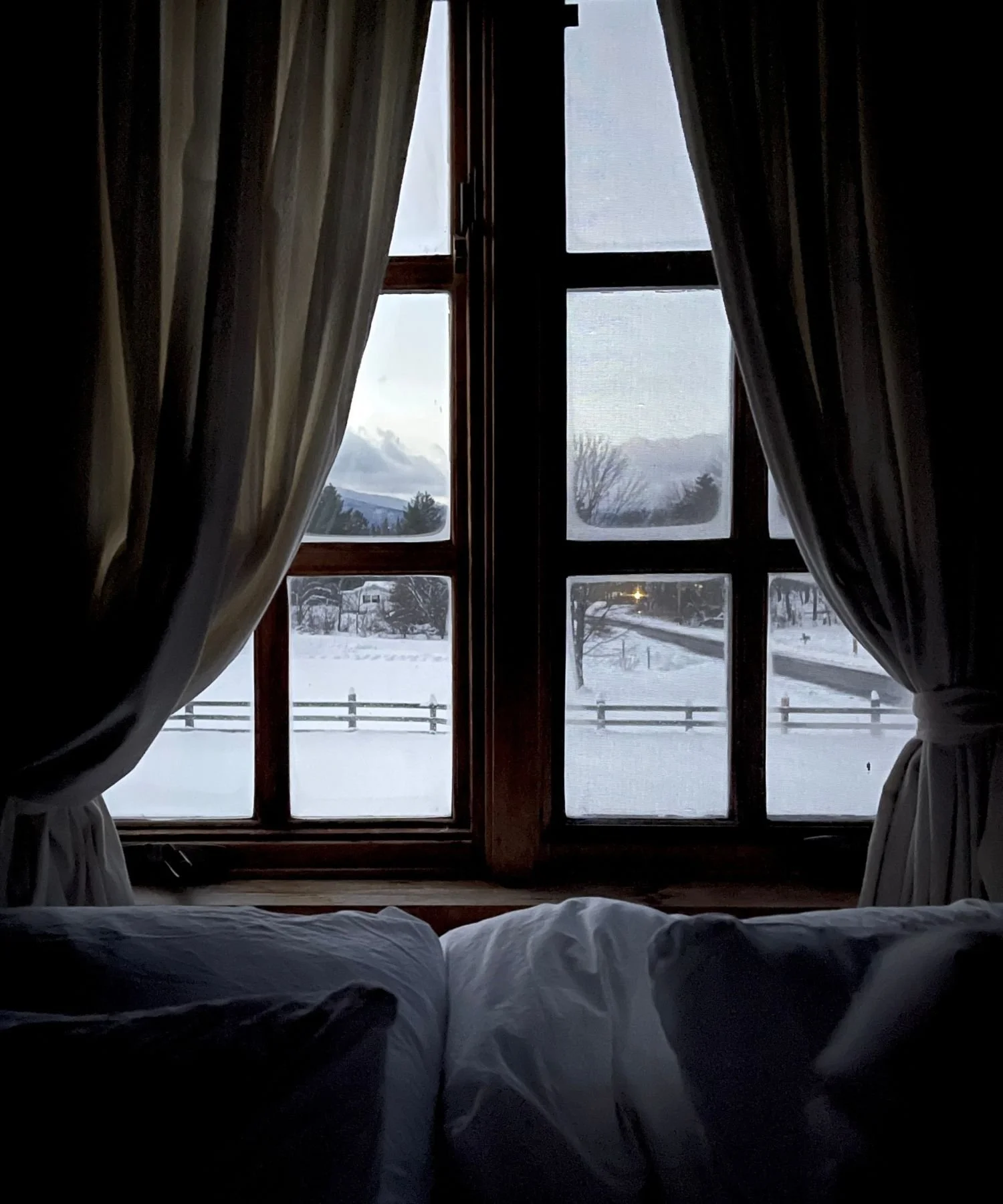
Crisp air, warm duvets and calmer sleep — the Nordic method explained.
Cold, fresh and quiet beats hot, stuffy and restless. Your body’s core temperature naturally dips at night, and a cooler bedroom helps that process along. Studies show that excess heat fragments sleep and suppresses REM, while neutral to cool conditions support the brain’s overnight reset. In short, too warm is bad for rest, slightly cool is good, Arctic isn’t the goal.
The Finnish factor proves it. A 2023 analysis of more than 30,000 people across 11 countries found Finland ranked top for both sleep quantity and quality. The researchers concluded that culture and environment explain over half the variation in how well people sleep. Put bluntly, Finns — and by extension the Nordic sleep culture — do it best.
We’ve all heard of hygge, the cosy Danish art of candles, blankets and hot chocolate. But the Nordic sleep method is different. It’s not about piling on warmth, it’s about letting the cold in. Think separate duvets, open windows, bedding aired in the frost. For the Nordics, fresh air is the luxury — and the data backs them up.
So what does cool mean in practice. For most adults, the sweet spot is 16 to 19°C, with 18°C a widely recommended middle ground. Older adults often sleep better closer to 20°C because thermoregulation changes with age. Aim to keep your bedroom within that bracket and let your duvet do the heavy lifting.
Ventilation matters too. Studies show that lowering carbon dioxide levels by opening a window or improving airflow leads to better sleep and sharper mornings. The goal isn’t an icy gale, just a steady supply of fresh air. If noise or pollution is a problem, a vent or cracked door works better than a wide-open sash.
Nordic Sleep Rituals
Two duvets, one bed
The “Nordic sleep method” isn’t about romance, it’s about rest. Each partner has their own duvet, so there’s no midnight tug-of-war. It also lets each of you pick a tog that suits.
Fresh air first
Bedrooms and bedding are aired daily, even in winter. Duvets and pillows are left outside to breathe, their loft restored by crisp air. Cold, dry air cuts odours and mites, leaving everything fresher. Even once or twice a week is worth it. Indoors, open the window for an hour to clear stuffiness before sleep.
Outdoor naps
In Finland and Sweden, babies often nap outside, wrapped in prams even in sub-zero conditions. Parents report longer, calmer naps. UK safe-sleep advice still comes first, but the principle is clear: fresh air matters.
We did it too
Scotland once shared that instinct. Tenement flats in Glasgow and Edinburgh had metal cages bolted to windows so babies could nap in the fresh air, even in the middle of the city. Until the 1970s, it was common to leave prams outside back doors or shopfronts. What feels radical now was once routine.
Wind-down warmth
Nordics swear by a sauna an hour or two before bed. A warm bath or shower works just as well, helping the body shed heat and making it easier to fall asleep in a cool room.
Keep it simple
Nordic beds are pared back and breathable: natural fibres, clean duvets, minimal clutter. Less fuss, more freshness.
Daylight discipline
Another Nordic staple: spending time outdoors during the day, even just for a coffee and cinnamon bun. While we’d usually head indoors, they’ll happily sit outside in the cold for light exposure. It keeps circadian rhythms strong and makes it easier to fall asleep at night.
How to Sleep Cold Well
Set the room, not your bones. For most adults, aim for 16–19°C. If you wake chilled or stiff, nudge warmer. If you overheat easily, stay nearer 16.
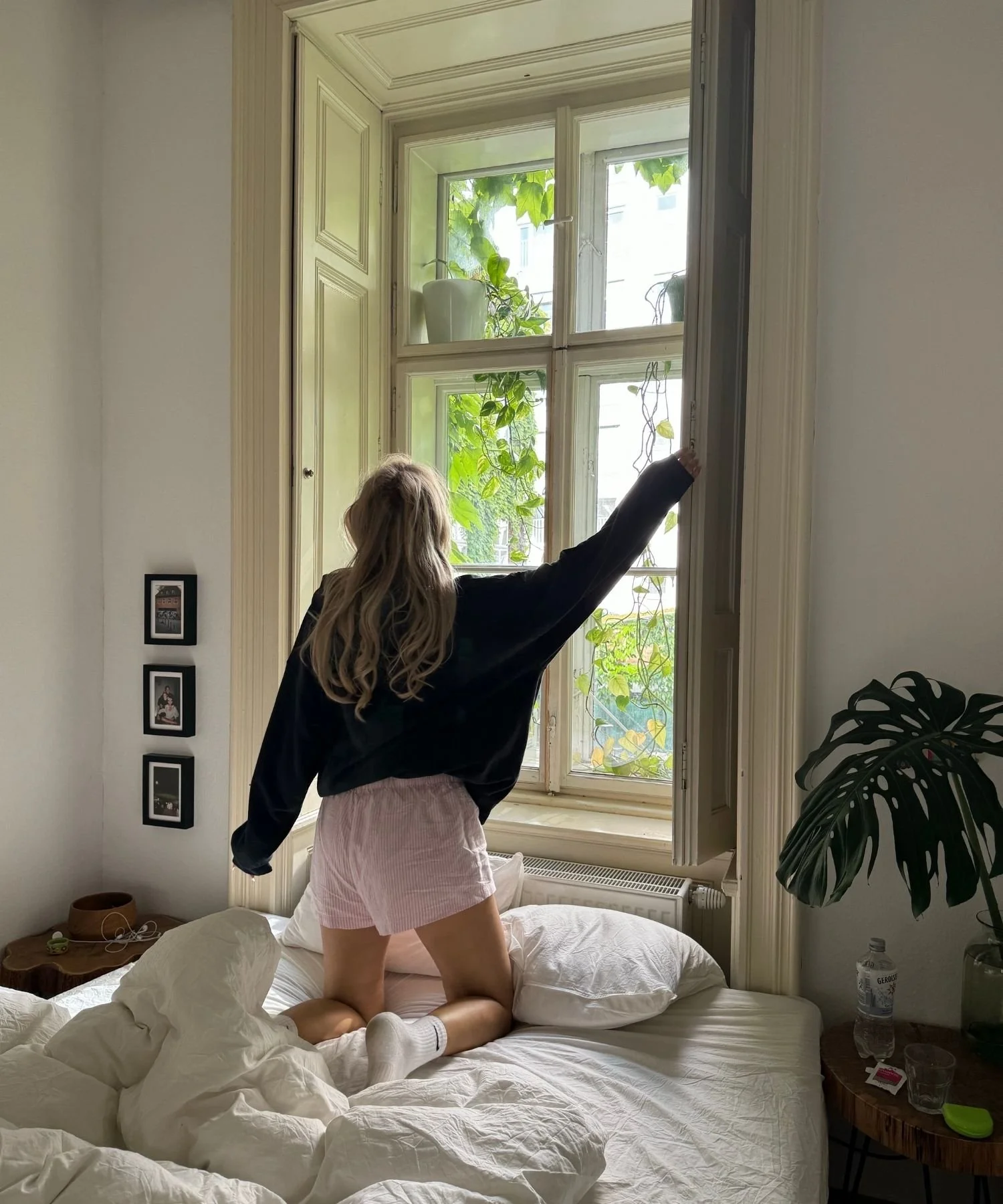
Vent smartly. Air the room before bed. Leave a window cracked if safe, or use a vent. The goal is fresher air, not frostbite.
Dress the bed, not yourself. A breathable duvet plus light layers beats heavy clothing. Around the house, flannel tartan pyjamas are perfect after an evening bath — but under the sheets, less is more. A cool cotton tee will stop you overheating.
Classic comfort. A hot water bottle is still one of the best ways to keep cosy in a cool bedroom. It warms the sheets as you drift off, then your body regulates naturally through the night.
Check the damp. Vent bathrooms, avoid drying laundry in the bedroom, and fix condensation quickly.
Tailor for age. Babies need 16–20°C with appropriate bedding, not extra blankets. Older adults usually fare best around 20°C
Bottom Line
Sleeping in a cooler room isn’t hair-shirt minimalism, it’s a luxury that delivers better mornings. Think crisp air, clean bedding and a warm duvet cocoon. The Nordics — and once upon a time, the Scots — have known it for decades: being slightly chilly is the trick to feeling deeply rested.